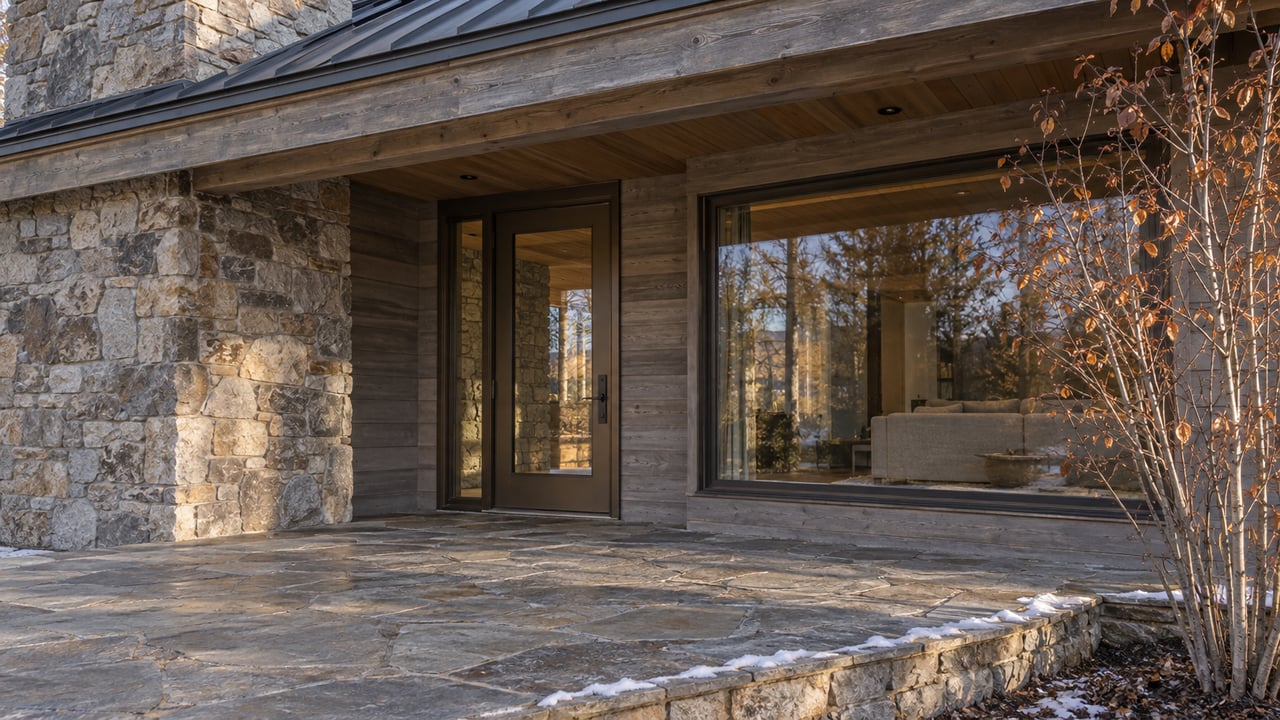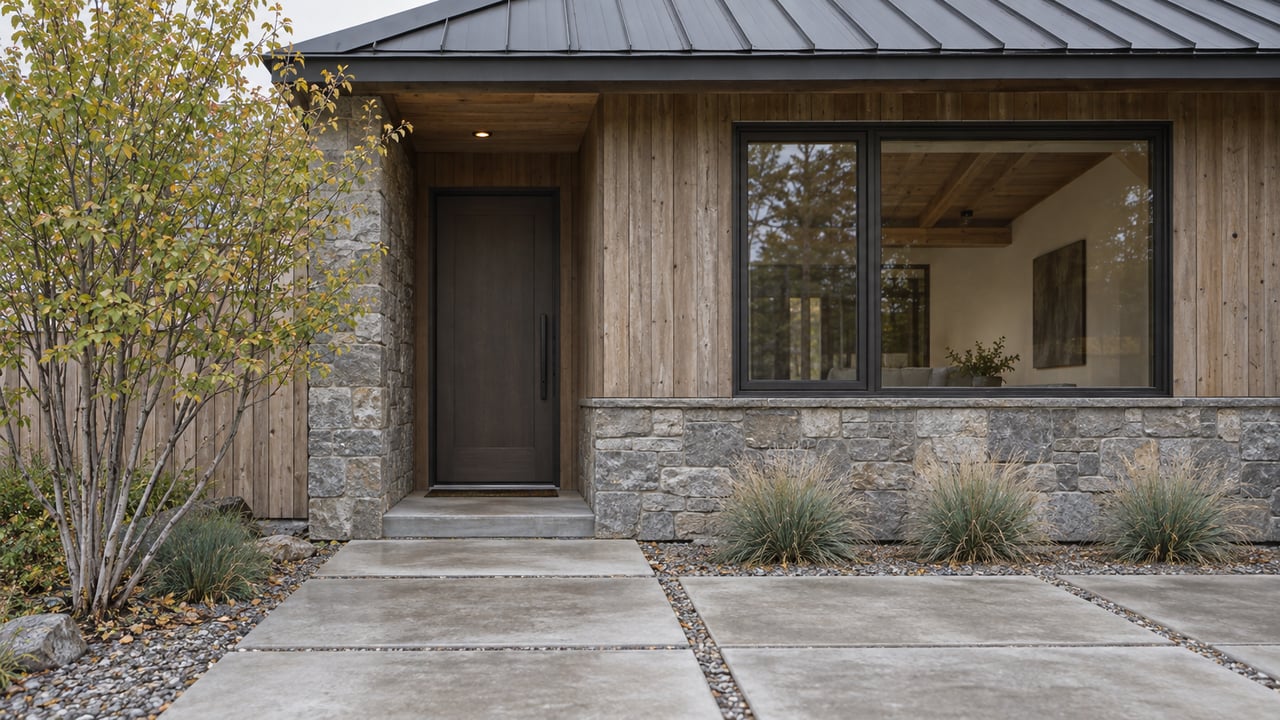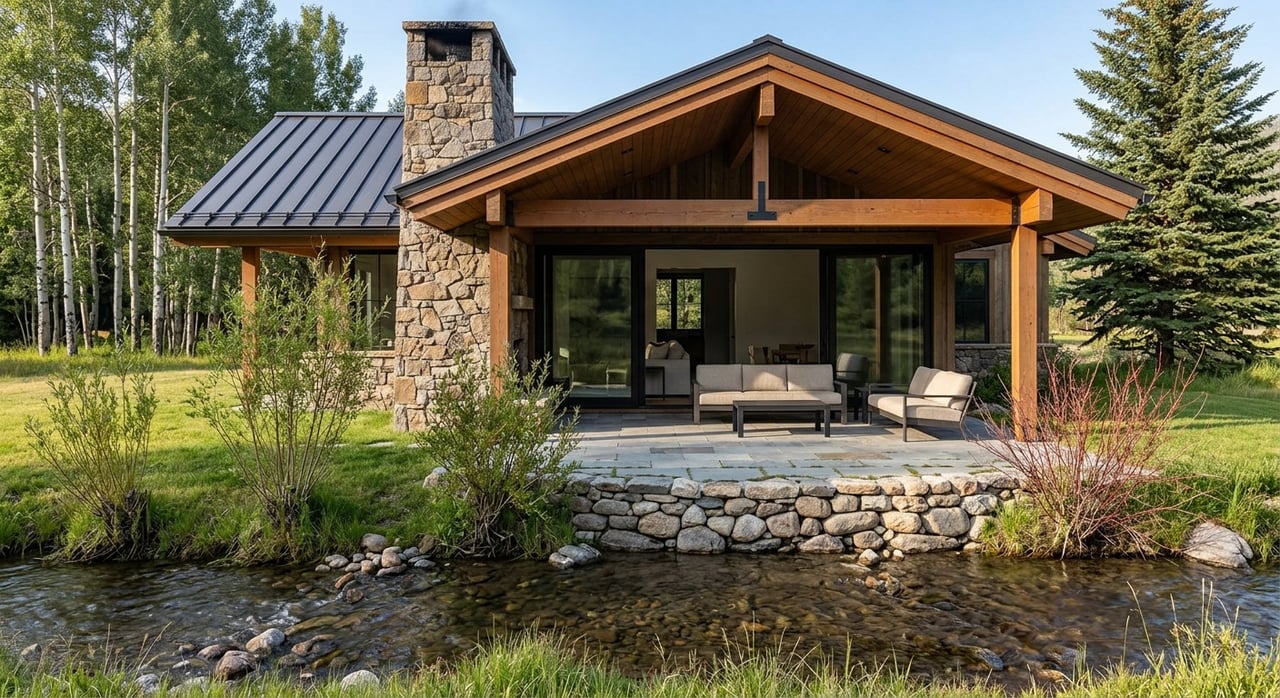
If you are looking at ranch or river homes in Woody Creek, you are not just buying a house. You are evaluating land, water, access, and long-term use in one of Pitkin County’s most rural and tightly constrained markets. That can feel exciting and complex at the same time, especially if you want both lifestyle value and a smart asset decision. This guide will help you understand what makes Woody Creek different, what to verify before you buy, and where due diligence matters most. Let’s dive in.
Why Woody Creek Homes Are Different
Woody Creek stands apart from in-town Aspen inventory because the area is shaped by a rural planning framework focused on preserving open space, agricultural uses, wildlife habitat, and small-road character. According to the Woody Creek Community Plan and related county planning framework, local policy supports limited density and emphasizes keeping the area’s existing character in place.
That matters when you shop for property here. In Woody Creek, the value equation often includes acreage, road access, water infrastructure, ditch easements, and environmental constraints, not just square footage or finishes. You are often buying a parcel with operating realities that can affect how you use the land over time.
The area also functions more like a rural estate market than a walkable in-town setting. The county planning documents note that Woody Creek is not on a major transportation corridor, and public bus service was described as unreliable in the transportation discussion. In practical terms, daily access, vehicle use, and private road conditions can play a bigger role in your buying decision.
Woody Creek Inventory Is Limited
Woody Creek is a very small and highly parcel-specific market. The latest Woody Creek market update, current as of March 4, 2026, reported 6 homes for sale and 3 months of inventory, with no closed sales year to date.
Because the sample is so small, market stats can shift quickly when one or two listings enter or leave the market. That is why broad conclusions are risky here. In Woody Creek, each property deserves its own analysis based on zoning, water, access, improvements, and land-use constraints.
What Defines A Ranch Property Here
In Woody Creek, a ranch-style property may offer privacy, open land, and a more expansive ownership experience, but acreage alone does not tell the full story. The community plan supports preserving agricultural uses, clear views, wildlife habitat, and open space, and it recognizes tools like conservation easements that can limit future development while leaving ownership in place.
Colorado law also draws an important distinction between appearance and legal status. Under the state’s agricultural classification guidance, a ranch for tax or land-use purposes depends on actual use, grazing or production, and water-related criteria, not simply on lot size.
So if you are considering a larger parcel, ask direct questions about how the land is currently classified, how it has been used, and whether there are any restrictions that affect future plans. A beautiful spread with pasture or fencing may still operate very differently from what a buyer expects.
Conservation Easements Matter
Some larger Woody Creek parcels may be affected by conservation easements, deed restrictions, fishing easements, trail easements, or other recorded limitations. Colorado defines a conservation easement as a voluntary legal agreement that typically limits or prohibits development to preserve conservation values such as scenic views, habitat, agriculture, or recreation.
That means a parcel’s size does not always equal development flexibility. You may own significant acreage while still facing meaningful limits on new structures, land disturbance, or future subdivision potential.
Wildlife And Scenic Protections Shape Use
The Woody Creek planning framework also emphasizes wildlife corridors, minimal lighting, and wildlife-friendly fencing. For buyers, that can influence everything from site planning to landscaping decisions. On some properties, these expectations can be just as important as the home itself.
River Frontage Is Not The Same As Water Rights
This is one of the most important points for Woody Creek buyers. If a home sits along a river or creek, that does not automatically mean the property includes usable water rights.
Colorado administers water rights under the prior appropriation system, and water rights can exist separately from the land itself. The county plan is also direct on this issue, stating that applications involving water or water features should show adequate existing water rights and legal documentation for those rights.
So if you are drawn to river frontage for irrigation, ponds, landscaping, or other uses, you will want to verify exactly what exists. Scenic water adjacency and legal water-use entitlement are not the same thing.
Wells, Ditches, And Irrigation Need Verification
For properties with wells, every new well that diverts groundwater must have a permit, and the state maintains permit files showing allowable uses and construction records. The Colorado Division of Water Resources also reviews certain land-use referrals for water supply adequacy, but it does not guarantee permit issuance until a full evaluation is complete.
If a property references irrigation, ditch shares, pond rights, or historic water use, those details should be confirmed carefully. The county specifically notes that ditches and ditch easements must be maintained and that water rights can be expensive to enforce and maintain.
River Access May Involve Public Corridors Nearby
River ownership can also overlap with nearby public access features. Pitkin County’s Roaring Fork Gorge overview notes that the corridor includes open spaces, conservation easements, fishing easements, and the Rio Grande Trail, extending to Wilton Jaffee Sr. Park near Woody Creek.
That context matters if privacy and access are high priorities for you. A river-adjacent setting can still exist near public launches, trails, or access points, so it is wise to understand the broader corridor and any recorded easements before you commit.
Key Due Diligence For Woody Creek Buyers
With ranch and river homes, due diligence goes well beyond a standard home showing. Here are the issues worth reviewing early in the process.
Title And Legal Access
Review the deed, recorded easements, right-of-way language, and any shared driveway or road-maintenance agreements. The state’s easement guidance explains that an easement conveys use, not ownership, and some easements run with the land.
You can also use Pitkin County’s records resources as a starting point for understanding official planning and property documentation referenced in county materials. For larger parcels, access rights can be just as important as the home itself.
Zoning And Buildability
Zoning should never be assumed on a rural parcel. Pitkin County’s land use code notes that districts such as RS-20, AR-10, and RR are designed to preserve rural character, low density, and limited residential development.
If you are thinking about expansion, a guest structure, reconfiguration, or other future changes, confirm what zoning allows and whether any planned unit development, transfer of development rights, or subdivision issues apply. In Woody Creek, future potential is highly parcel-specific.
Septic And Wastewater
Many larger properties rely on on-site wastewater systems rather than urban-style sewer service. Pitkin County provides OWTS information and permit tracking, which can help you verify permit history and system records.
Before closing, confirm the system type, age, service history, and whether any inspections or upgrades may be needed. This is especially important if you are buying an older home or planning a remodel.
Wetlands, Riparian Areas, And Floodplain
Streamside living can be beautiful, but it often comes with added review. Pitkin County’s wetlands and riparian guidance notes that local land-use rules address wetlands, riparian areas, and minimum stream setbacks, and that nearly all earthwork in a wetland requires a Corps permit.
The county also warns of flash-flood risk during spring and summer runoff and recommends checking flood insurance and FEMA flood maps. If a parcel is near the river, these issues should be part of your diligence from the start.
Roads, Winter Access, And Daily Use
Woody Creek’s roads are part of its appeal, but they can also be part of the decision. County planning materials emphasize narrow rural roads and maintaining the area’s character without urbanizing the road network.
For buyers, that means confirming whether roads are private or county-maintained, how snow removal works, and what winter access looks like in practice. If you plan to use the property regularly or seasonally, convenience matters.
Wildfire Preparedness
For wooded sites or homes near open land, wildfire planning should be on your checklist. Pitkin County’s Community Wildfire Protection Plan resources and related building updates reflect the area’s active focus on wildfire resiliency.
A property’s vegetation, access, defensible space, and construction details can all affect ownership costs and long-term comfort. It is worth reviewing these factors early, not late.
Questions To Ask Before You Buy
If you are comparing Woody Creek ranch or river homes, these questions can help you focus quickly:
- What zoning district applies to the parcel?
- Are there conservation easements, fishing easements, trail easements, or deed restrictions?
- Does the property include decreed water rights, ditch shares, pond rights, or a permitted well?
- What uses are actually allowed under the well permit?
- Is access direct, shared, easement-based, private, or county-maintained?
- What is the status of the septic or OWTS system?
- Are wetlands, riparian setbacks, or floodplain issues present?
- Is the land agriculturally classified, and on what basis?
- Are there road-maintenance or snow-removal agreements?
- What wildfire mitigation work has been completed or recommended?
Why Expert Guidance Matters In Woody Creek
In a market this thin and this parcel-specific, strong representation is about more than finding a listing. You need someone who can help you think clearly about risk, utility, and long-term value while coordinating the right due diligence around title, zoning, water, and land-use issues.
That is especially true in Woody Creek, where a property’s appeal may come from the very features that require the most scrutiny. River frontage, large acreage, agricultural use, and privacy can all be major advantages, but only if you fully understand what comes with them.
If you are exploring ranch or river homes in Woody Creek, Mary Kate Farrell brings local Aspen Valley perspective, disciplined analysis, and high-touch guidance to help you evaluate each opportunity with confidence.
FAQs
What makes Woody Creek ranch homes different from Aspen in-town homes?
- Woody Creek homes often require deeper review of acreage, water, access, zoning, and environmental constraints because the area is governed by a rural planning framework focused on preserving open space, agricultural uses, and low density.
Does Woody Creek river frontage include water rights?
- No. River frontage does not automatically include usable water rights, and buyers should separately verify decreed rights, ditch easements, irrigation rights, pond rights, or well permits.
Can a Woody Creek acreage parcel be called a ranch for tax purposes?
- Not automatically. Colorado agricultural classification depends on actual use, production or grazing, and water-related criteria, not acreage alone.
Can you expand or subdivide a Woody Creek property?
- Possibly, but it depends on the parcel’s zoning, recorded restrictions, and county approvals. In Woody Creek, future development potential should always be treated as property-specific.
What should buyers verify on a Woody Creek river or ranch property?
- Buyers should review title, legal access, zoning, easements, water rights, well permits, septic status, wetlands or floodplain issues, road maintenance, winter access, and wildfire preparedness.
Is Woody Creek a large-volume housing market?
- No. The market is very limited, and recent local data showed only a small number of homes for sale, which means each listing can have an outsized effect on monthly statistics.