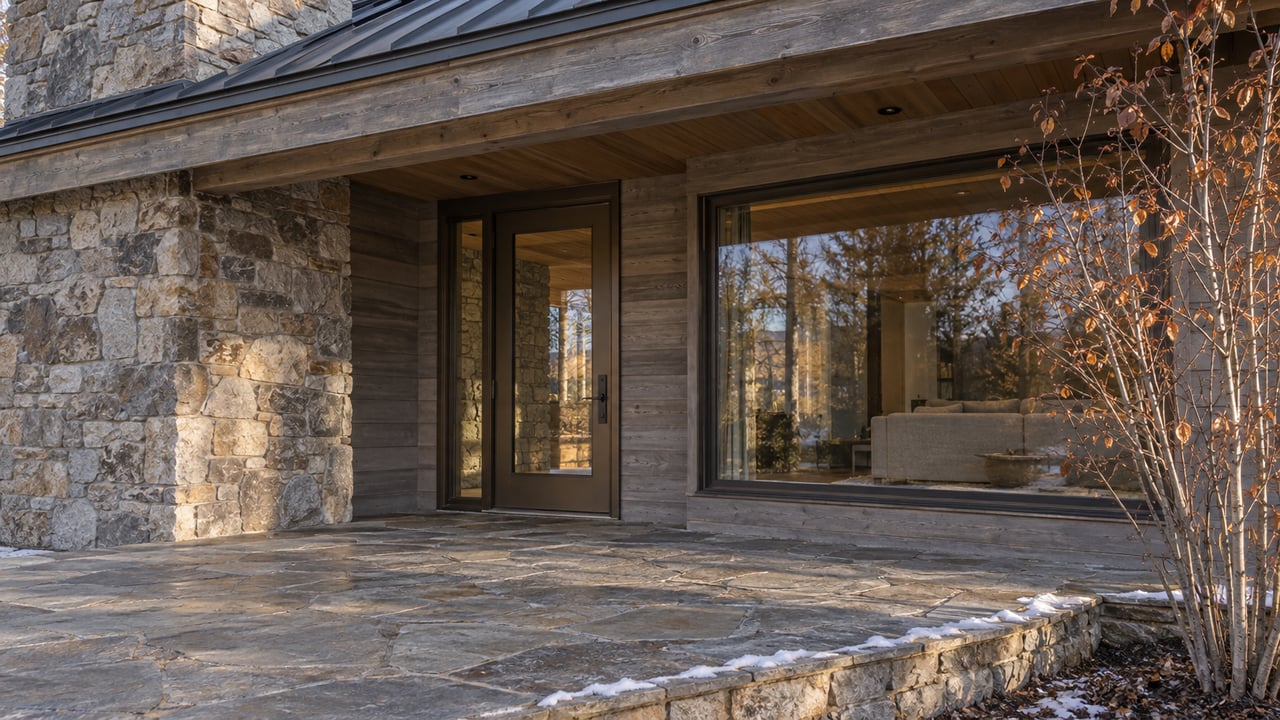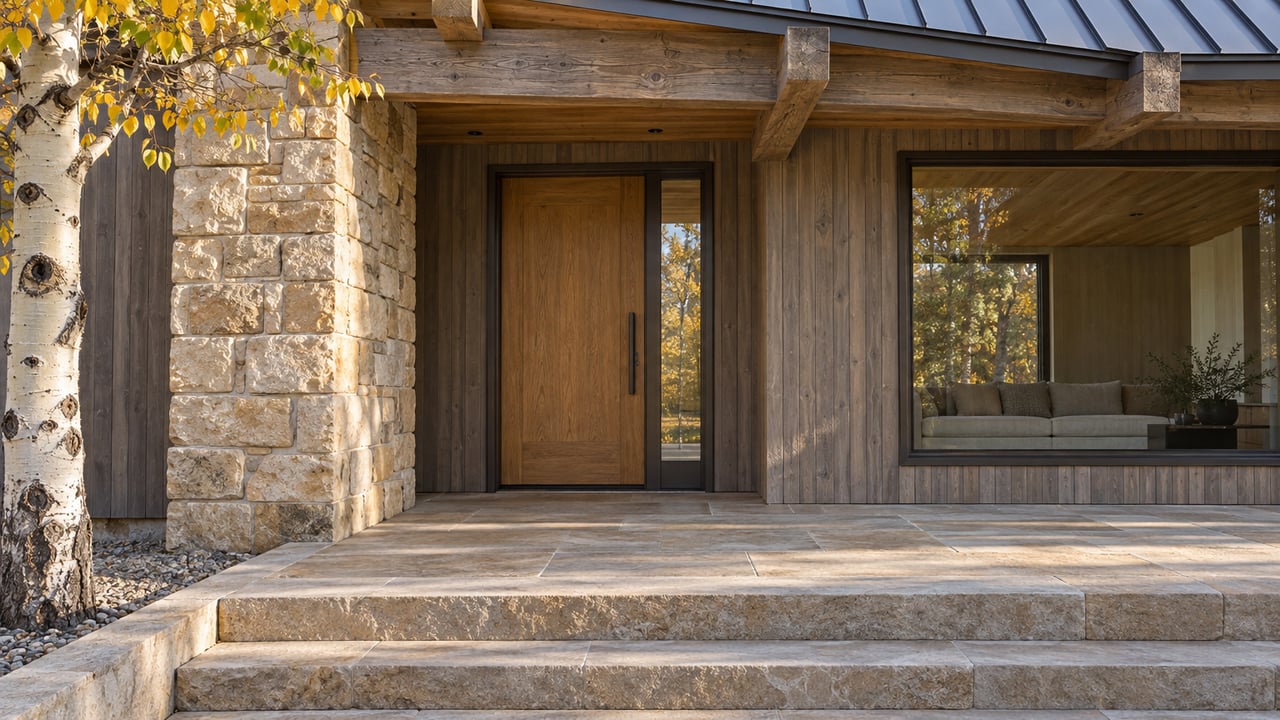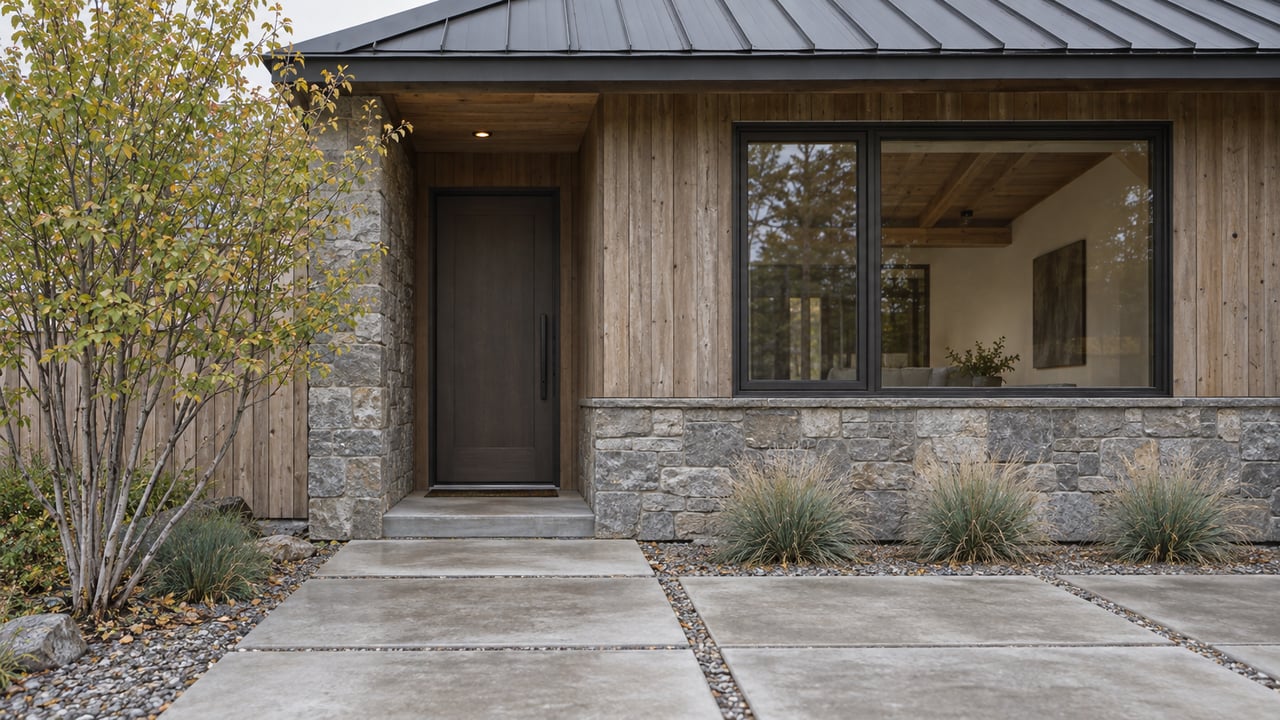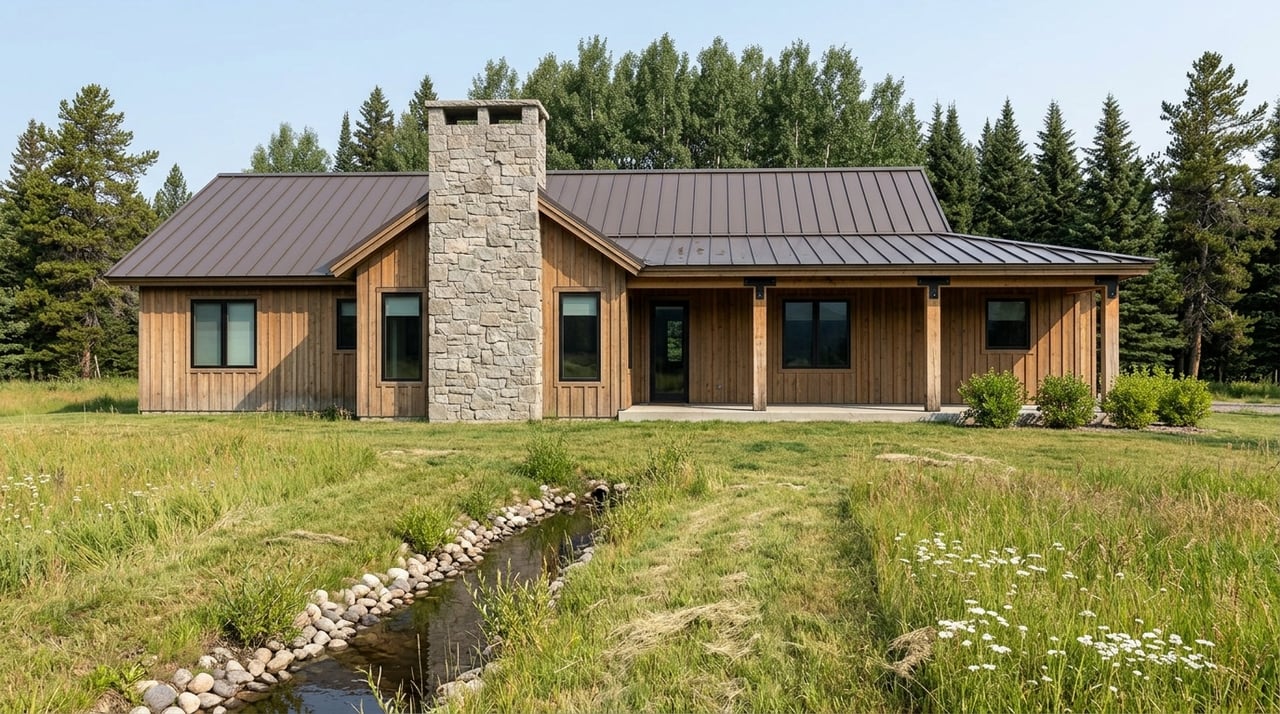
Looking for land in Emma is not the same as shopping a typical neighborhood. Here, a property can range from a modest rural parcel to a large working ranch, and the details behind the acreage often matter more than the acreage itself. If you want to understand what makes Emma unique, what to look for in farm and ranch real estate, and how to evaluate a property with confidence, this guide will help you get grounded. Let’s dive in.
Why Emma Feels Different
Emma sits in north-central Pitkin County between Basalt and El Jebel, with Aspen about 14 miles to the east. County materials describe the area as historically agricultural and ranching land that has gradually shifted toward low-density residential use. That mix gives Emma a rural identity that still feels closely tied to the working landscape of the Roaring Fork Valley.
The Emma Caucus Area covers about 16,665 acres in total. A large share of that land is public, including mostly BLM acreage, along with county open space and nearby Forest Service lands. Those buffers help preserve open views, rural character, and a sense that development is intentionally limited.
You also see that character on the ground. County planning documents describe open meadows, creek drainages, historic agricultural buildings, and active ranching uses. In Emma, the setting is a major part of the value story.
What Buyers Will Find in Emma
Emma is not a one-format market. You may find small rural subdivisions, horse properties, mid-sized acreage tracts, and large ranch holdings in the same broader area. That variety is one reason buyers need a property-specific approach.
County reports identify eight subdivisions in the caucus area, including smaller-lot neighborhoods like Orchard Estates and Double K Ranches. Orchard Estates includes 22 lots that are generally around 1 acre, while Double K Ranches has 19 lots averaging about 2 acres. For some buyers, these properties offer a more manageable way to own rural land without taking on the responsibilities of a much larger ranch.
At the other end of the spectrum, county documents note parcels in the 35-to-50-acre range as well as a small number of very large tracts. Only nine parcels in the caucus area are larger than 100 acres, and the largest is around 729 acres. Planning materials also reference working ranches and horse operations on properties ranging from 35 acres to more than 700 acres.
Zoning Supports Rural Character
Pitkin County land use patterns in Emma reflect a resource-oriented, low-density framework. County materials identify zoning districts such as RS-30, AR-10, and RR as the dominant private-land pattern in the area. These districts are intended to support agriculture, resource protection, and very low-density residential development.
For you as a buyer, that matters because zoning shapes what the property is today and what the surrounding area is likely to remain over time. In Emma, the planning direction is clear. County master planning materials consistently emphasize a long-term rural, scenic, and agriculturally functional landscape.
Acreage Alone Does Not Tell the Story
One of the biggest mistakes buyers make in farm and ranch real estate is assuming more acres automatically means more value. In Emma, value and usability often depend on how the land functions. A smaller parcel with usable pasture, reliable water, and practical improvements may fit your goals better than a larger tract with significant constraints.
As you compare properties, consider how much of the land is actually usable or productive. Some parcels include wetlands, riparian areas, trail adjacency, creek corridors, or conservation easement restrictions that limit where and how the land can be improved. Others may offer open pasture, equestrian potential, or accessory agricultural uses that make the property more flexible.
Pitkin County’s Emma Open Space materials help illustrate this point. The site includes 74.142 acres, with 58.201 acres under conservation easement, along with historic buildings, agricultural lease areas, and heritage orchard features. It is a strong example of how rural land in Emma can support multiple uses while still carrying stewardship obligations.
Water Is a Core Part of the Deal
In Emma farm and ranch transactions, water is one of the most important technical issues to understand. Colorado uses the prior appropriation system, and the Division of Water Resources administers water rights and well permits. State guidance also treats a water right as a property right with a priority date.
That means you should not look at land without asking how water supports it. If a parcel includes irrigation, well access, or water rights that serve agricultural use, those factors can materially affect both usability and value. In Colorado valuation guidance, water rights used to support real property are valued with the property served as a unit.
For private rural homes, Pitkin County notes that private wells are common and every new groundwater-diverting well needs a state permit. The county also states that the property owner is responsible for safe private-well water. In practical terms, well status and permit history belong near the top of your due diligence list.
Septic, Access, and Rural Infrastructure
Many Emma properties rely on systems and conditions that differ from more urban or suburban homes. Pitkin County says homes outside a sewer district are served by OWTS, which is the local term for septic systems. That makes septic condition and system history another major item to verify early.
Access can also be more nuanced than buyers expect. County planning materials note steep and gently sloping terrain, creek drainages, and wildlife habitat throughout the area. The county’s rural-living guidance also warns that winter access, emergency response, and basic services can differ materially from urban expectations.
If you are buying for seasonal use, part-time occupancy, or long-term ownership, this is where a practical lens matters. You want to know not only what the property offers in summer, but also how it performs year-round.
Agriculture Still Shapes Emma
Emma is not just rural in appearance. Agriculture remains a meaningful land use in the valley, and local institutions still support it. Pitkin County’s Agricultural Lease Program includes 18 producers leasing nearly 800 acres for cattle and horse grazing, hay, community-supported agriculture, livestock, and flower and vegetable production.
That does not mean every Emma parcel is suitable for active agricultural use. It does mean the broader local framework still values working land. If your goal is to own a horse property, maintain hay ground, or preserve open acreage with functional agricultural use, Emma is one of the places where that conversation remains relevant.
County management materials for Emma Open Space also reflect this broader approach. They emphasize preserving agricultural land, wildlife habitat, scenic views, riparian corridors, and historic structures, while supporting accessory uses such as barns, greenhouses, equestrian facilities, and local food production.
How Emma Properties Are Valued
Emma farm and ranch real estate is rarely priced on acreage alone. Colorado guidance states that agricultural land is valued based on earning or productive capacity, while buildings, fixtures, fences, and other improvements are valued separately. Water rights that support the property are treated with the land as a unit.
In the market, that usually means buyers should look at several layers of value at once. Usable pasture, irrigation, water rights, access, privacy, improvements, conservation status, and proximity to Basalt and Aspen services all shape how a property is perceived. Two parcels with similar acreage can have very different value profiles depending on how those pieces come together.
Pitkin County’s assessor uses sales data from an 18-month period ending June 30 of even-numbered years to establish real property value. While tax value is not the same as market value, it is one reminder that Emma properties need to be analyzed carefully and individually.
Resort-Adjacent Rural Pricing Is Real
Emma may feel quiet and pastoral, but it sits within the orbit of one of Colorado’s most high-value resort regions. Pitkin County’s living guide says non-housing expenses in Aspen are 20% to 30% higher than in metropolitan areas, and housing is scarce and expensive. That broader economic backdrop helps explain why rural land in Emma can still command elevated prices.
For many buyers, Emma offers a balance that is hard to replicate. You can preserve privacy, open space, and a working-land feel while staying connected to Basalt, El Jebel, and Aspen. That combination supports long-term appeal for both lifestyle buyers and owners who think carefully about asset quality.
Due Diligence Checklist for Emma
When you evaluate a farm, ranch, or acreage property in Emma, focus on the details that affect long-term use and ownership.
- Legal description and parcel boundaries
- Water rights, ditch shares, or irrigation access
- Well permit status and water system details
- OWTS or septic condition and history
- Conservation easement terms, if any
- Wetlands, riparian areas, and trail adjacency
- Historic or agricultural-use obligations
- Year-round access and winter conditions
- Functional improvements such as barns, fencing, or equestrian facilities
This kind of review helps you understand not just what you are buying, but how the property will live over time.
What Smart Buyers Keep in Mind
The best Emma properties tend to offer more than scenery. They combine usable land, reliable water, functional improvements, and practical access to valley services. In a market like this, clarity matters more than speed.
If you are considering Emma, it helps to approach the search with both a lifestyle lens and an asset lens. You want a property that fits how you plan to use it, but you also want to understand the land, infrastructure, and constraints that shape long-term value. That is especially true in a rural market where no two properties are quite alike.
Whether you are looking for a small acreage homesite, a horse property, or a larger ranch holding, a disciplined review can help you avoid expensive surprises and focus on the opportunities that truly fit your goals. If you want tailored guidance on Emma and the wider Aspen Valley market, connect with Mary Kate Farrell.
FAQs
What kinds of farm and ranch properties are available in Emma, Colorado?
- Emma includes a mix of small rural subdivision lots, horse properties, mid-sized acreage parcels, and large ranch holdings, with lot sizes ranging from about 1 acre to more than 700 acres.
What should buyers check before purchasing land in Emma, Colorado?
- Buyers should review water rights or ditch shares, well permit status, septic or OWTS condition, legal boundaries, conservation easements, wetlands or riparian areas, access conditions, and any agricultural or historic-use obligations.
Why do water rights matter in Emma farm and ranch real estate?
- Water rights matter because Colorado treats them as property rights, and they can directly affect irrigation, agricultural use, long-term usability, and overall property value.
How is Emma, Colorado ranch land typically valued?
- Emma ranch land is generally evaluated based on productive capacity, usable acreage, water, improvements, access, privacy, and proximity to services in Basalt, El Jebel, and Aspen.
Is Emma, Colorado still considered an agricultural area?
- Yes. County planning materials continue to describe Emma as a rural, agriculturally functional area, and local programs in the valley still actively support grazing, hay production, livestock, and other agricultural uses.