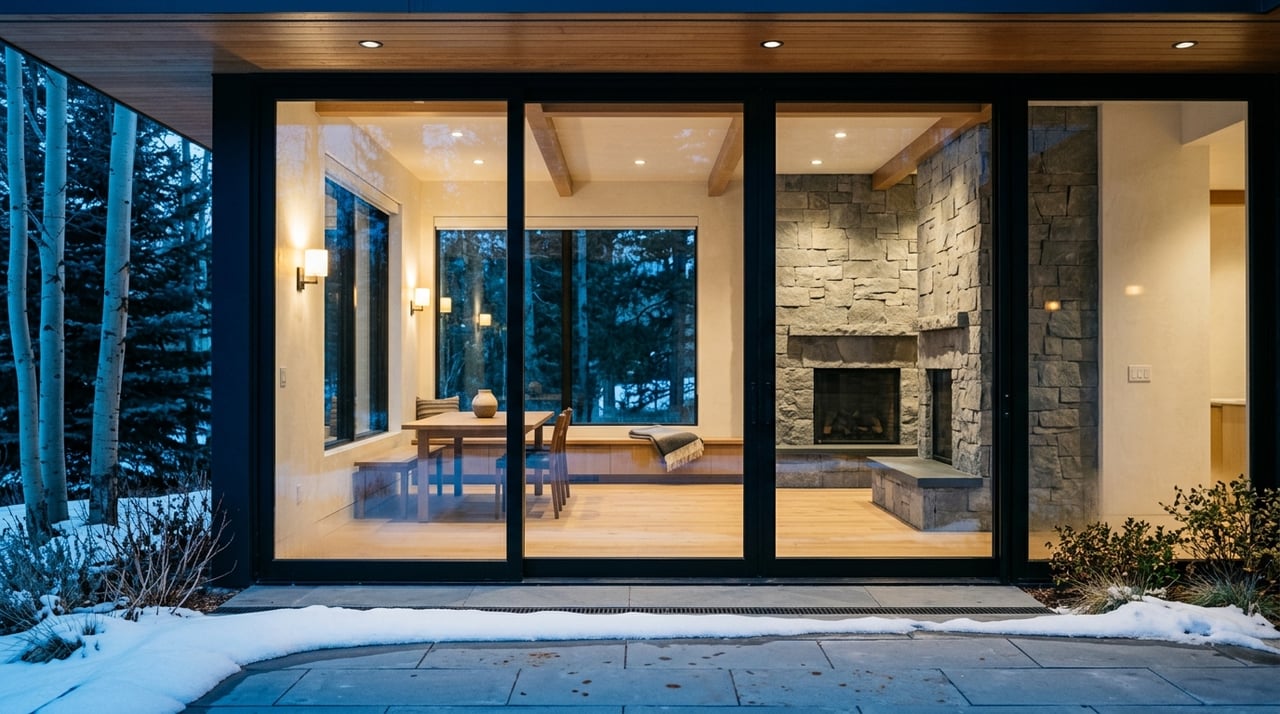
Trying to choose between Basalt and Aspen for full-time mountain living? It is a common decision for buyers who want the Roaring Fork Valley lifestyle but need the right fit for daily life, not just vacation appeal. The good news is that both towns offer strong access to the outdoors, year-round services, and a clear sense of place. The key is understanding how each one works when you live there every day. Let’s dive in.
Basalt vs. Aspen at a glance
If you are deciding where to put down roots, the biggest difference is simple: Basalt tends to feel more like a residential home base, while Aspen feels more like the valley’s resort-centered hub.
Basalt is a smaller town that sits in both Eagle and Pitkin counties. Town sources place the population at about 3,944, with a much higher daily transit population during peak seasons. Aspen’s relocation information describes it as a destination resort with around 6,000 full-time residents, while the 2020 Census counted 7,004.
That difference shows up in everyday rhythm. Basalt is often the better match if you want a smaller-town setting with practical access to the rest of the valley. Aspen is often the better fit if you want to live in the center of the action and are comfortable paying more for that convenience.
What daily life feels like
Basalt offers a steadier residential pace
Basalt has a mountain-town identity shaped by its rivers, historic roots, and year-round community feel. Town materials describe it as a mountain-and-river community with historic charm and a progressive vision. Its history as a railroad town at the confluence of the Roaring Fork and Fryingpan rivers still influences how the town feels today.
For many full-time residents, that translates into a more grounded daily experience. You may find it easier to think of Basalt as a place built around living first, with recreation and access layered in.
Aspen brings resort energy every day
Aspen offers a very different kind of full-time living experience. The city openly positions itself as a destination resort, and that carries through to the dining, cultural calendar, and amenity mix. If you want your day-to-day life to include immediate access to restaurants, events, and a busy town core, Aspen stands out.
That energy can be a major advantage if you thrive on convenience and activity. It can also mean a faster pace and a more premium price point for the lifestyle.
Commute and transportation
Basalt works well for Aspen commuters
One of the strongest points in Basalt’s favor is that you can realistically live there and commute into Aspen. Aspen’s relocation page lists Basalt at 25 minutes from Aspen, and Basalt has been identified as about 19 miles outside Aspen. For full-time residents who work, socialize, or recreate throughout the valley, that makes Highway 82 the main daily connection.
RFTA supports that routine with year-round commuter service on the Aspen-to-Glenwood corridor. Its Roaring Fork Valley Local route includes Glenwood Springs, Carbondale, El Jebel/Basalt, Aspen, and Snowmass, and it offers Basalt/Aspen zone passes.
Both towns support car-light living
Basalt has more than just regional bus service. The town’s transit resources include RFTA, WE-cycle, and Basalt Connect, which offers on-demand rides within its service area. That gives residents more flexibility for local errands and shorter in-town trips.
Aspen also supports mobility beyond driving. The city highlights the Rio Grande Trail, the town trail system, and WE-cycle bike share. If you want a lifestyle where you can walk, bike, or use transit often, Aspen has a strong case.
Schools and year-round infrastructure
Basalt offers continuity across the valley district
If schools are part of your decision, Basalt is served by Roaring Fork Schools, which educates more than 5,600 students across 14 schools in Glenwood Springs, Carbondale, and Basalt. Basalt Elementary serves about 580 students and offers a 50/50 dual-language Spanish-English program. Basalt Middle is recognized as a national School to Watch, and Basalt High highlights THRIVE values.
For many buyers, that points to a system tied closely to the wider valley and to long-term community continuity. It is one reason Basalt often appeals to people looking for a practical full-time base.
Aspen has a compact IB district model
Aspen School District has a different structure and identity. It is a fully integrated Pre-K-12 International Baccalaureate district. Aspen Elementary is an IB Primary Years Programme school, Aspen Middle is authorized for the Middle Years Programme, and Aspen High offers the Diploma Programme.
That creates a more compact district experience centered in Aspen itself. For some buyers, that educational structure will be an important factor in choosing Aspen over a more commuter-oriented option.
Dining, culture, and community rhythm
Aspen leads in restaurants and events
If dining and culture are high on your list, Aspen has the edge. Aspen Chamber says downtown alone has more than 80 eateries, and city materials highlight theater, film festivals, food, wine, and beer festivals, concerts, and a paved trail network between valley towns.
In plain terms, Aspen delivers a deeper amenity base. If you want your home to sit within a highly active cultural and dining environment, Aspen is hard to match in the valley.
Basalt feels more local and neighborhood-scaled
Basalt’s draw is different. Town planning materials emphasize Historic Downtown and Willits connectivity, while town vision statements focus on historic charm and community identity. That gives Basalt a more local, neighborhood-scaled feel rather than a resort-core feel.
For full-time living, that can be a major plus. Some buyers want easy access to Aspen, but they do not need to live in the middle of its busiest activity.
Outdoor access in both towns
Aspen offers a larger trail-centered network
Aspen is known for broad outdoor access, and that reputation is backed by its infrastructure. The city sits at one end of the 42-mile Rio Grande Trail and also highlights an extensive town trail system. If you want a built-out network that connects recreation with daily transportation, Aspen checks that box.
That setup can make it easier to blend outdoor time into your regular schedule. For many full-time residents, that convenience is part of Aspen’s appeal.
Basalt leans into rivers and local trails
Basalt also delivers strong outdoor access, but with a slightly different character. Town resources emphasize hiking, running, biking, forestry, trail systems, and river stewardship. With the Roaring Fork and Fryingpan rivers shaping the town, Basalt often feels especially connected to river-oriented recreation.
If your ideal mountain life includes water access, local trail use, and a more grounded daily pace, Basalt may feel more natural.
Home prices and value
Aspen commands a much higher premium
For many buyers, budget will quickly narrow the choice. Current housing data shows a significant gap between the two towns. Zillow places Basalt’s typical home value at $1,425,038 and Aspen’s at $3,348,484.
Other market snapshots point in the same direction. Redfin reported a March 2026 median sale price in Basalt of $1.595 million, while Zillow listed Aspen’s median list price at $3,337,500. The methods differ, but the takeaway is consistent: Aspen is materially more expensive than Basalt.
Basalt may offer more room for full-time flexibility
That price difference matters beyond the purchase itself. A lower entry point can affect your options around space, ownership timeline, and how comfortably you can use the home as a full-time base.
For buyers who want to stay in the Aspen Valley without paying Aspen pricing, Basalt often becomes the more practical choice. For buyers who prioritize immediate resort access and are comfortable with a much higher cost, Aspen may still be the right long-term fit.
Which town fits your lifestyle best?
Choose Basalt if you want a home base
Basalt may be the better fit if you are looking for:
- A smaller-town setting
- Easier day-to-day valley logistics
- A realistic commute to Aspen
- Strong year-round infrastructure
- More approachable pricing relative to Aspen
- A residential feel with river and trail access
For many full-time residents, Basalt offers the balance that makes mountain living sustainable year-round, not just exciting in peak season.
Choose Aspen if you want resort immediacy
Aspen may be the better fit if you are looking for:
- Direct access to dining and cultural events
- A more active town core
- A compact in-town lifestyle
- Extensive trail and bike infrastructure
- A resort-centered atmosphere every day
- Premium real estate with premium convenience
If your priority is living in the middle of the valley’s most established amenity base, Aspen delivers that experience.
A smart way to decide
The best choice usually comes down to how you want your weekdays to feel. If you picture a more residential rhythm with access to Aspen when you want it, Basalt often makes more sense. If you want dining, events, and resort energy woven into your daily routine, Aspen may justify the premium.
In a market like the Aspen Valley, this is not just a lifestyle choice. It is also a real estate decision tied to pricing, long-term use, and how well a property supports the way you actually live. Working through those tradeoffs with clear local insight can make the decision much easier.
If you are weighing Basalt against Aspen for full-time living, Mary Kate Farrell can help you compare neighborhoods, pricing, and lifestyle fit with a thoughtful, data-informed approach.
FAQs
Is Basalt or Aspen better for full-time mountain living?
- Basalt is often the better fit if you want a smaller-town, more residential home base, while Aspen is often the better fit if you want a resort-centered lifestyle with more dining and cultural amenities.
How far is Basalt from Aspen for a daily commute?
- Aspen’s relocation information lists Basalt at 25 minutes from Aspen, and regional RFTA service supports commuting between the two towns.
Is Aspen more expensive than Basalt for homebuyers?
- Yes. Current housing data in the research shows Aspen home values and list prices are much higher than Basalt’s.
Does Basalt have good public transportation for full-time residents?
- Yes. Basalt has access to RFTA service, WE-cycle, and Basalt Connect on-demand rides within its service area.
What is the difference between Basalt and Aspen schools?
- Basalt is served by Roaring Fork Schools, while Aspen has a fully integrated Pre-K-12 International Baccalaureate district.
Which town has more restaurants and events, Basalt or Aspen?
- Aspen has more restaurants and a deeper cultural calendar, including festivals, concerts, and other events highlighted by city and chamber sources.