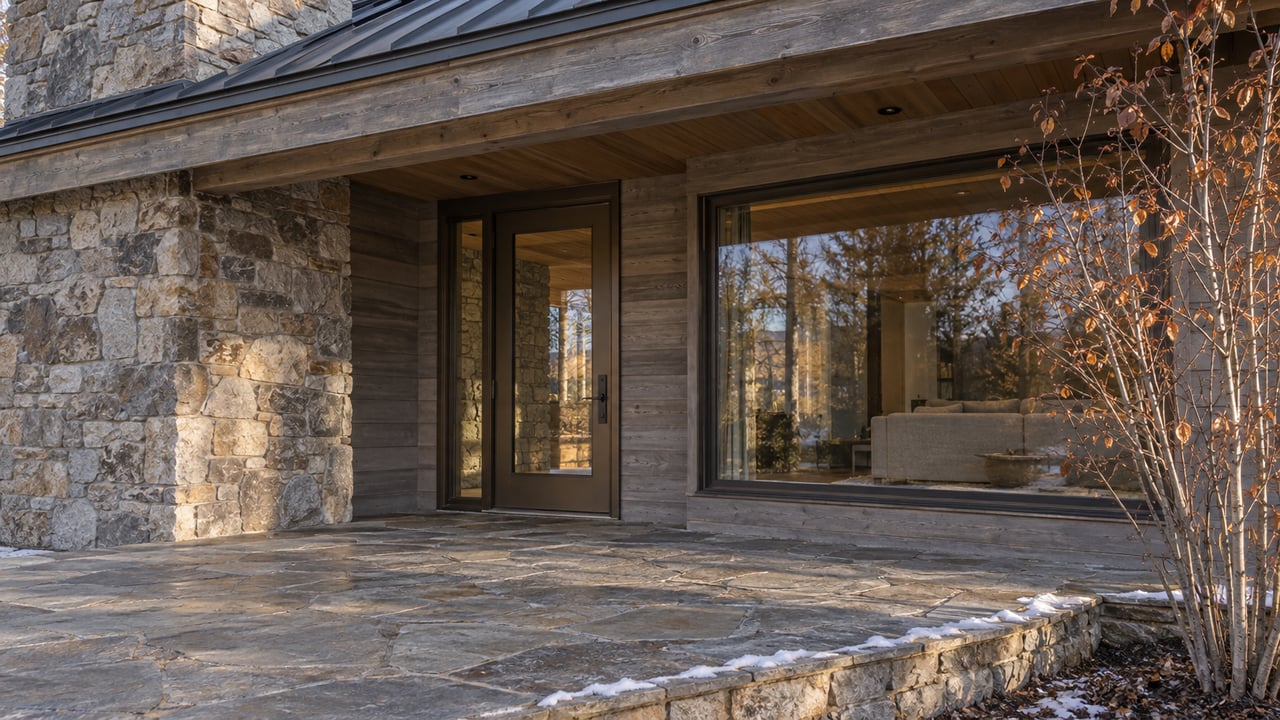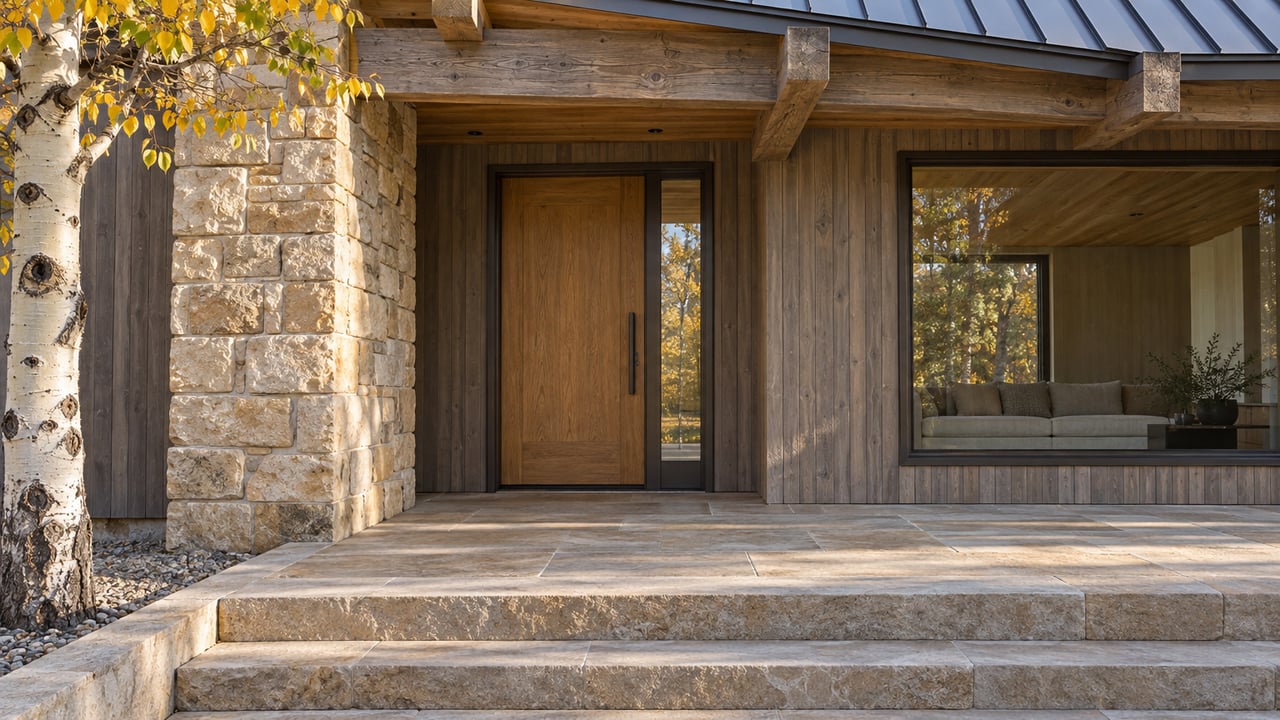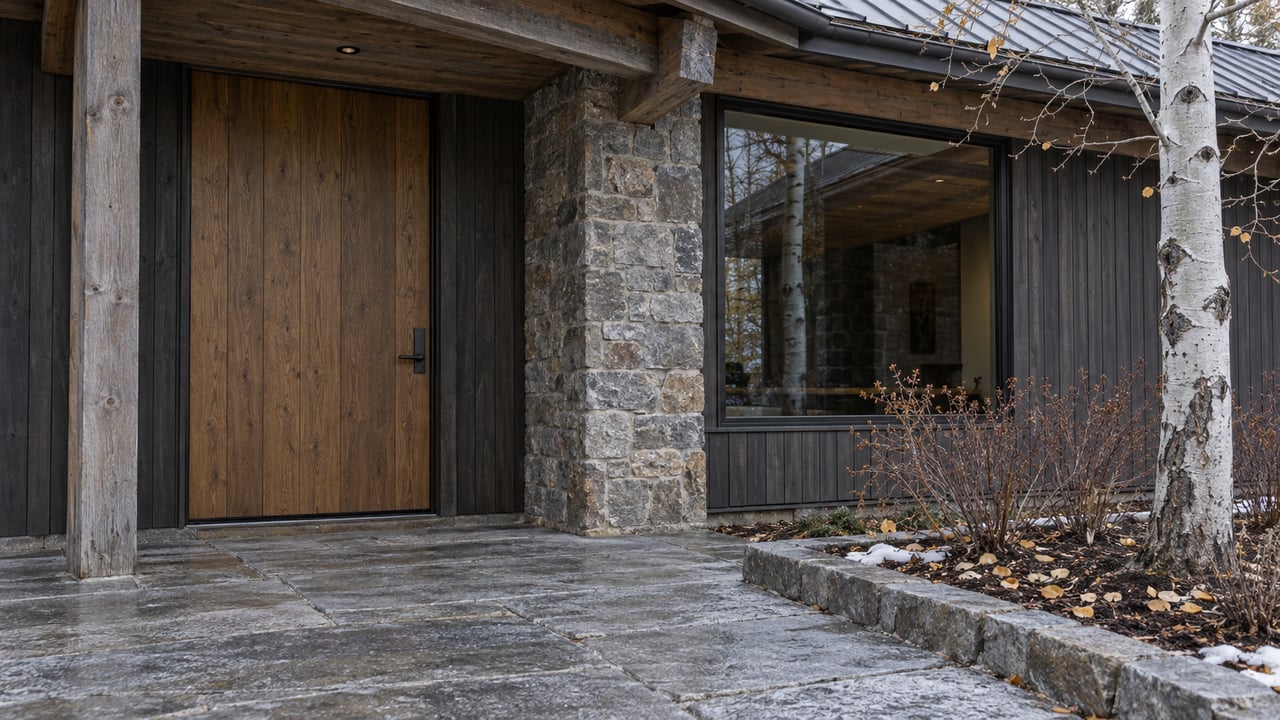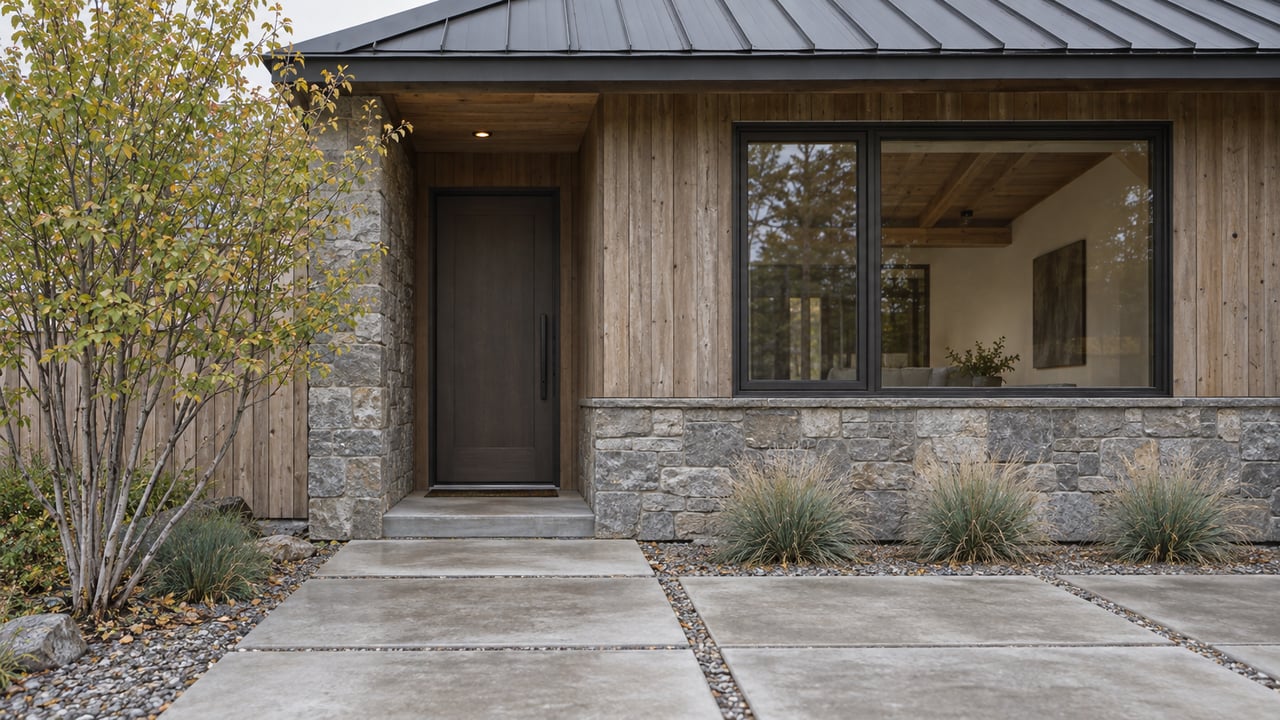
Buying a ski home in Snowmass Village can feel simple at first glance. The mountain is big, the access is strong, and many properties are marketed around convenience. But when you look closer, the details that shape daily ownership are far more specific. If you want a home that works well for your winter routine, your travel patterns, and your long-term goals, it helps to know what to check before you write an offer. Let’s dive in.
Snowmass Is Built Around Winter Function
Snowmass Village sits within the Aspen Snowmass system, and Snowmass itself offers 3,342 acres, 98 trails, 21 chairlifts, and 4,406 vertical feet. Aspen Snowmass also describes Snowmass as larger than the other three mountains combined. For many buyers, that scale is a major part of the appeal.
The more practical question, though, is how a specific home functions once you arrive in January with skis, luggage, guests, and a short window to enjoy the property. In Snowmass Village, ease of use often comes down to slope access, shuttle access, parking, HOA structure, and whether the home can be rented if your plans change.
Slope Access Means More Than a Listing Label
In Snowmass Village, not every ski property delivers the same winter experience. Two homes with similar price points may offer very different day-to-day convenience depending on whether you can walk to a lift, connect to a skiway, or rely on a shuttle stop.
That matters because Snowmass Village is not one uniform ski neighborhood. Base Village, for example, is a mixed residential and commercial area with condominium lodging, hotel rooms, restaurants, retail, and direct access tied to the Elk Camp Gondola and Village Express lifts.
Base Village Has Its Own Rhythm
Base Village is designed for year-round use, and the Transit Center connects residents and visitors to Base Village and the rest of the Roaring Fork Valley. For a buyer, that can be a major advantage if you want a property that works well in both ski season and summer.
Still, convenience depends on the exact building, not just the broader area name. A home near a direct access point may feel very different from one that depends on a longer walk or a shuttle connection.
Verify the Actual Route to the Slopes
The town shuttle system uses route numbers, and the route serving a condo may differ from the route serving a public area like Village Mall or Base Village. The town says bus stops are located near condominium and hotel complexes, but some stops along Wood Road, Faraway Road, and Meadow Road are by-request only.
That means you should ask a very simple but important question before buying: How do you actually get to the lifts from this exact property in winter? The answer affects convenience, resale appeal, and how often you will truly use the home.
Transit and Parking Shape Ownership
One reason Snowmass Village stands out is that it can work well as a car-light destination. The town-operated shuttle is free, and the village also offers expanded on-request service in summer from June 2 through September 21 on accessible public paved roads.
Snowmass Village is about 6.5 miles from Aspen/Pitkin County Airport, and official tourism materials highlight easy shuttle connections and access to Aspen, which is about 9 miles away. If you expect frequent weekend trips or short stays, that kind of transit convenience may matter just as much as interior finishes.
Parking Is Not a Small Detail
Parking rules can materially change the ownership experience. Snowmass Village manages both free and paid lots, and winter rules shift with the season and snow-removal needs.
Free day skier parking is available at Town Park/Rodeo Lot and Brush Creek Park & Ride. During winter ski season, the numbered village lots are permit-only from 7 a.m. to 1 p.m. The Base Village Parking Garage has winter fees and does not allow overnight public parking.
In summer, village lots and the Base Village garage are free. That seasonal shift is useful, but if you plan to own during ski season, you should confirm whether your parking is deeded, assigned, rented, shared, or subject to separate rules.
Small Logistics Matter for Seasonal Owners
Snowmass Village also notes that residents receive mail through a P.O. box because there is no mail delivery within town limits. The town advises new residents to check whether a resident parking permit is needed in their neighborhood.
These details may sound minor, but they can affect how smooth ownership feels, especially if you are an absentee owner or using the home for short stays throughout the year.
Carrying Costs Can Be More Layered
A Snowmass Village ski home is not just about the purchase price. In many cases, the ongoing cost structure includes more than mortgage, insurance, utilities, and a standard HOA fee.
That is especially true in areas with layered governance. In Base Village, the master association maintains owner resources including governing documents, board meetings and minutes, financials, and insurance materials. That is a good reminder that your due diligence may extend beyond a typical condo review.
Special Districts Can Affect Annual Costs
The Base Village General Improvement District was created to fund infrastructure and services in the Base Village common area. That includes fire-protection equipment, snowmelt, walkways, road infrastructure, lighting, and the gondola lift.
Base Village Metropolitan District No. 1 also states that it can issue debt and impose a maximum debt mill levy of 49.5 mills under its service plan. On top of that, Pitkin County’s special-district list shows that Snowmass parcels may fall within multiple overlapping entities, including Base Village Metro District, Snowmass Water & Sanitation District, Snowmass Wildcat Fire Protection District, and the Town of Snowmass Village.
Tax Bills Can Vary by Parcel
Pitkin County explains that the Assessor values property but does not set mill levies or collect taxes. The county states that residential property is assessed at 7.05% for schools and 6.8% for local governments in 2026, while the final tax bill depends on certified mill levies from the taxing entities that apply to the property.
So even if two homes look similar on paper, their annual carrying costs may differ in a meaningful way. For buyers who view a ski home as both a lifestyle purchase and an asset, that is a number worth studying carefully.
Rental Rules Need Two Levels of Review
If you may rent your Snowmass Village home, even occasionally, you should review both town rules and building rules before you commit. That two-step review is one of the most important parts of ski-home due diligence.
Snowmass Village defines a short-term rental as a dwelling rented for fewer than 30 consecutive days. The town requires hosts to obtain both a business license and a permit.
Know the Town STR Framework
Under the town’s current short-term rental framework, effective December 30, 2025, the permit fee is $400, permits require annual renewal, and all permits expire on April 30. The town divides permits into four categories: hotels, multifamily A, multifamily B, and single-family homes/duplexes.
The application also asks for owner information, a designated local owner representative, property-management details where applicable, advertising locations, parking information, HOA information in some cases, and intended rental days per year. If title is held in an LLC, corporation, partnership, or trust, the town requires a notarized Statement of Authority.
HOA Rules Still Matter
A town permit does not automatically mean a building allows short-term rentals. The town’s own application process makes clear that HOA and management information can be part of the review.
That is why you should ask the rental question in two parts:
- Does the town allow this rental use?
- Does the building or association allow this rental use?
For many buyers, that answer affects not only income potential but also flexibility, exit strategy, and how comfortably the property fits into a second-home plan.
Seasonal Use Should Match Your Ownership Plan
Snowmass says ski season typically runs from Thanksgiving through mid-April. Summer activity is concentrated from June through September, with fall biking and foliage extending into October.
That schedule creates a clear seasonal rhythm. Some owners use the home heavily in winter and summer, while others leave it vacant for stretches or depend on local management for housekeeping, maintenance, and guest turnover during shoulder seasons.
If you are buying with part-time use in mind, it helps to think beyond closing day. You want to know how the home will be cared for, how access works when you fly in for a few days, and whether the property is easy to lock, leave, and enjoy again without friction.
Questions To Ask Before You Write an Offer
Before you move forward on a Snowmass Village ski home, it helps to ask focused questions that match how ownership really works here.
- Which lift, skiway, or shuttle route serves this exact unit in winter?
- Is the home truly ski-in/ski-out, or does access depend on shuttle service and parking?
- Which HOA, master association, metro district, or special district applies to the parcel?
- What are the total recurring costs beyond the listed HOA dues?
- Are short-term rentals allowed by both the town and the building?
- What parking, ski storage, and overnight parking rights come with ownership?
- If title will be held in an entity, are the town’s required rental documents ready if needed?
Why Due Diligence Matters in Snowmass
In a market like Snowmass Village, the best purchase is not always the one with the most polished marketing. It is the one that fits how you actually travel, ski, host, and hold the asset over time.
That is where disciplined review can protect both lifestyle value and financial clarity. When you evaluate access, governance, taxes, parking, and rental rules early, you give yourself a much better chance of buying a home that feels easy to own from day one.
If you are considering a Snowmass Village ski home and want a clear, data-driven view of how a property will function in real life, Mary Kate Farrell can help you evaluate the details with the care a high-value mountain purchase deserves.
FAQs
What should you verify about slope access in Snowmass Village?
- You should confirm whether the property offers walk-to-lift access, skiway access, or shuttle-based access, because listing language alone may not reflect the actual winter experience.
What should you know about Snowmass Village parking before buying?
- You should verify whether parking is deeded, assigned, rented, or shared, and whether overnight or winter parking rules limit how easily you and your guests can use the property.
What should you review about Snowmass Village HOA and district costs?
- You should review HOA dues, master association documents, and any metro district or special district taxes or assessments that may increase total carrying costs.
What are the short-term rental rules for Snowmass Village homes?
- Snowmass Village defines a short-term rental as fewer than 30 consecutive days and requires a business license plus a permit, but you also need to confirm that the building or HOA allows the same use.
Why does location within Snowmass Village matter so much?
- The exact building location affects lift access, shuttle routes, parking convenience, and how easy the property is to use for short ski trips or seasonal stays.