If your ideal mountain town is one where a river walk, a quick bike ride, or an after-work cast can fit into an ordinary Tuesday, Basalt deserves a closer look. You may be searching for a full-time home, a low-maintenance second home, or a property that supports both lifestyle and long-term value. This guide will show you how outdoor living in Basalt is woven into daily life, and what that can mean when you buy or sell here. Let’s dive in.
Why Basalt Feels Outdoors-First
Basalt’s setting shapes the way the town lives. The community sits at the confluence of the Fryingpan River and the Roaring Fork River, and that river presence is not just scenic background. It is part of how people move through town, gather with friends, and spend free time close to home.
The town also invests in parks, open space, and trail planning as part of its civic identity. Basalt maintains a narrowleaf cottonwood corridor along Two Rivers Road and roughly 3,000 trees in parks, open space, and rights of way. That helps give the town a shaded, river-adjacent feel that stands apart within the valley.
Pedestrian access continues to improve as well. The Emma/Two Rivers project is planned to add ADA sidewalks, bike and pedestrian safety improvements, landscaping, lighting, and a park-on-a-bridge experience over the Roaring Fork. For you as a resident or buyer, that reinforces something important: outdoor access here is not an extra, it is part of the town’s day-to-day fabric.
Rivers Shape the Weekly Routine
In many mountain markets, river life can feel like a weekend event. In Basalt, it is much more immediate. The Fryingpan River is a 14-mile Gold Medal trout fishery from Ruedi Dam to its confluence with the Roaring Fork in Basalt, and the Roaring Fork upstream offers quality-sized brown and rainbow trout with public access for shore, wade, and float anglers.
That matters because it makes spontaneous outdoor time realistic. You do not need to plan a full-day outing to enjoy the water. A short walk, a few casts, or a quiet stretch by the river can fit naturally into your weekly rhythm.
Basalt’s public parks make that access even easier. Duroux Park, Fisherman’s Park, Midland Park, and Old Pond Park all offer fishing or river access, while Basalt River Park, Confluence Park, Lions Park, and Triangle Park add more public gathering space within town. If you value convenience, this kind of access can change how often you actually use the outdoors instead of just admiring it from a distance.
Parks Make Outdoor Time Easy
One of Basalt’s strongest lifestyle advantages is that outdoor time does not require a big production. You can walk for coffee, continue to a riverbank, and end up at a park without leaving the civic core. That simplicity is often what turns outdoor living from an aspiration into a habit.
The town’s public spaces also support a more social version of outdoor living. Basalt River Park hosts Wednesday night summer concerts, and Triangle Park in Willits hosts Friday Local Vocals. The Basalt Sunday Market runs along Midland Spur next to Lions Park and Town Hall during the summer, bringing another regular reason to be outside and in town.
For buyers and second-home owners, this matters in practical terms. A home in or near these activity zones can support a lifestyle that feels connected without demanding a packed schedule. For sellers, proximity to parks, events, and river access can be an important part of how a property is positioned.
Trails Support Daily Movement
The Rio Grande Trail is one of the clearest examples of how Basalt supports everyday outdoor living. It is a continuous multi-use trail that connects communities throughout the Roaring Fork Valley and serves recreation, commuting, and local movement. The trail is mostly asphalt and open to pedestrians, cyclists, wheelchair users, and horseback riders, and the Basalt Trailhead includes potable water.
That broad access makes the trail useful in ordinary life. You can use it for a morning run, an afternoon ride, or a practical trip through the valley. Parts of the corridor are also plowed in winter, which helps it remain part of a year-round routine rather than a fair-weather amenity.
For many buyers, this is where Basalt stands out. The trail network supports a lifestyle that can be active without feeling remote. You can stay connected to town and still have a direct line to outdoor recreation.
Nearby Open Space Adds Variety
When you want more than a paved path, Basalt has options close by. Glassier Open Space includes separate bike and hike trails, equestrian and hike trails, Roaring Fork River access, and a connection from the Rio Grande Trail to trails on the Crown. That gives you an easy next step from town-based movement to more open terrain.
For higher-country outings, the Basalt Mountain #1911 area in White River National Forest is used for hiking, mountain biking, horseback riding, and day trips. Together, these nearby options create a strong range of choices. On one day, you may want a simple walk or ride close to home, and on another, a longer mountain outing.
Can You Live Car-Light in Basalt?
For many people, especially second-home owners and full-time residents who want a simpler rhythm, this is a key question. In Basalt, a car-light lifestyle is realistic for many routines. That does not mean car-free in every situation, but it does mean you can reduce how often you rely on long drives.
RFTA’s Roaring Fork Valley Local connects Glenwood Springs, Carbondale, Basalt, Aspen Village, and Aspen/Snowmass year-round. Basalt Connect adds free on-demand rides to downtown Basalt, Willits, and nearby neighborhoods including Crown Mountain, Summit Vista, and Emma. Together, those systems support local errands, dining, events, and valley travel with more flexibility than many mountain towns offer.
Town programming supports that same pattern. Concert guidance encourages walking, biking, WE-cycle, and RFTA rather than driving. If you are evaluating a property for convenience, these transit links can be just as meaningful as square footage or finishes.
What Homes Fit This Lifestyle Best?
Not every home supports the Basalt lifestyle in the same way. If outdoor living is a priority, the best fit often comes down to ease, storage, and location. The goal is not just to own property in Basalt, but to own property that makes the town easier to enjoy.
Walkable condos and townhomes are often a natural match for buyers who want low maintenance and quick access to trails, parks, and town events. In-town single-family homes can work well for those who want more privacy and room for gear while staying close to the civic core. For second-home owners, homes that reduce yard demands while preserving access can be especially appealing.
A few property features tend to matter most:
- Easy access to downtown, parks, or the Rio Grande Trail
- Garage space or dedicated storage for bikes, fishing gear, and outdoor equipment
- Mudrooms or practical entry areas for year-round use
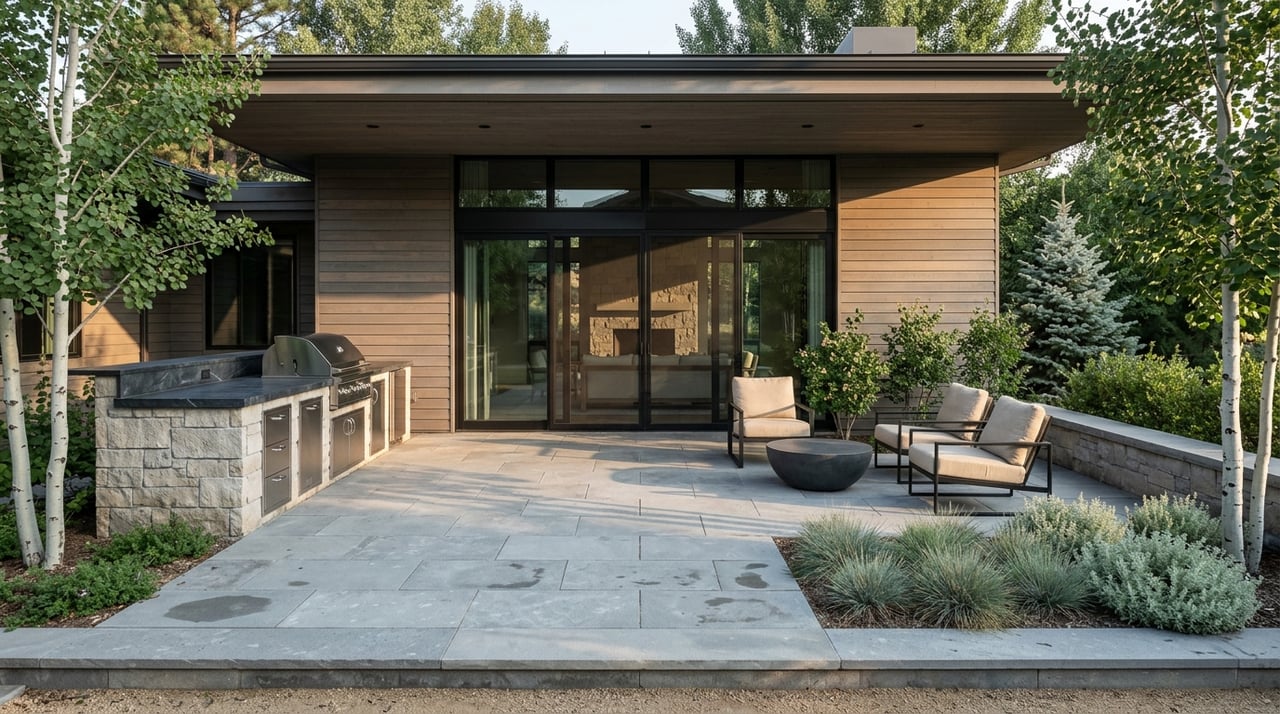
- Outdoor spaces that are comfortable without requiring heavy maintenance
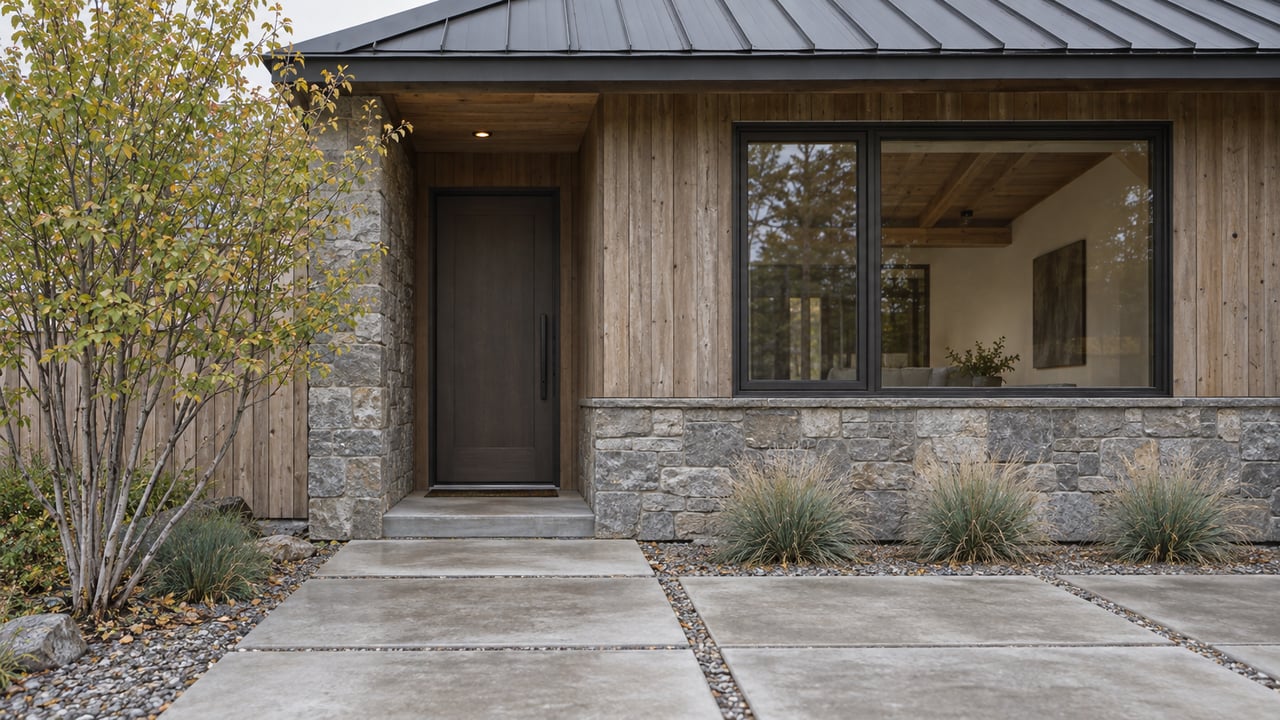
- Water-wise landscaping that aligns with local conditions
Basalt applies Stage 1 outdoor watering restrictions from April through October. The town also emphasizes low-water, often native, long-bloom landscape choices. That makes thoughtful outdoor design more than a style preference. It is often the most practical way to match the property to local living.
Why This Matters for Buyers and Sellers
If you are buying in Basalt, lifestyle fit and asset fit often go together. A home that makes it easy to walk to the river, bike the trail, or keep outdoor upkeep simple may support stronger everyday use and broader appeal over time. Convenience, access, and low-maintenance design are not just pleasant features. They can influence how well a home serves you now and how it is perceived later.
If you are selling, it helps to present your home through the lens of how people actually live here. Buyers are often responding to more than finishes and views. They are also evaluating how easily the home connects to rivers, trails, transit, events, and a practical outdoor routine.
That is where local guidance matters. In a market like Basalt, the right positioning is often about translating lifestyle details into value drivers with clarity and discipline.
If you are considering a move, a second home, or a sale in Basalt, working with an advisor who understands both the day-to-day lifestyle and the broader market picture can make the process more strategic. To talk through your goals in Basalt and across the Aspen Valley, connect with Mary Kate Farrell.
FAQs
Is everyday outdoor living realistic in Basalt, Colorado?
- Yes. Basalt’s in-town river access, public parks, trail connections, and regular outdoor events make it easy to build outdoor time into your normal weekly routine.
Are there trails you can use year-round in Basalt?
- Yes. The Rio Grande Trail is a multi-use corridor used for recreation and commuting, and parts of it are plowed in winter, which supports year-round walking, running, and riding.
Can you fish close to town in Basalt, Colorado?
- Yes. The Fryingpan River meets the Roaring Fork in Basalt, and several in-town parks offer fishing or river access, making quick outings realistic.
Is Basalt a good fit for a car-light lifestyle?
- For many routines, yes. RFTA provides year-round valley connections, and Basalt Connect offers free on-demand rides to downtown Basalt, Willits, and nearby neighborhoods.
What home features support outdoor living in Basalt?
- The most useful features often include walkability, gear storage, mudrooms, low-maintenance outdoor space, and water-wise landscaping that fits local watering rules.
What types of homes fit the Basalt lifestyle best?
- Walkable condos, townhomes, in-town single-family homes, and low-maintenance second homes often align well with Basalt’s mix of trail access, river access, and local transit options.