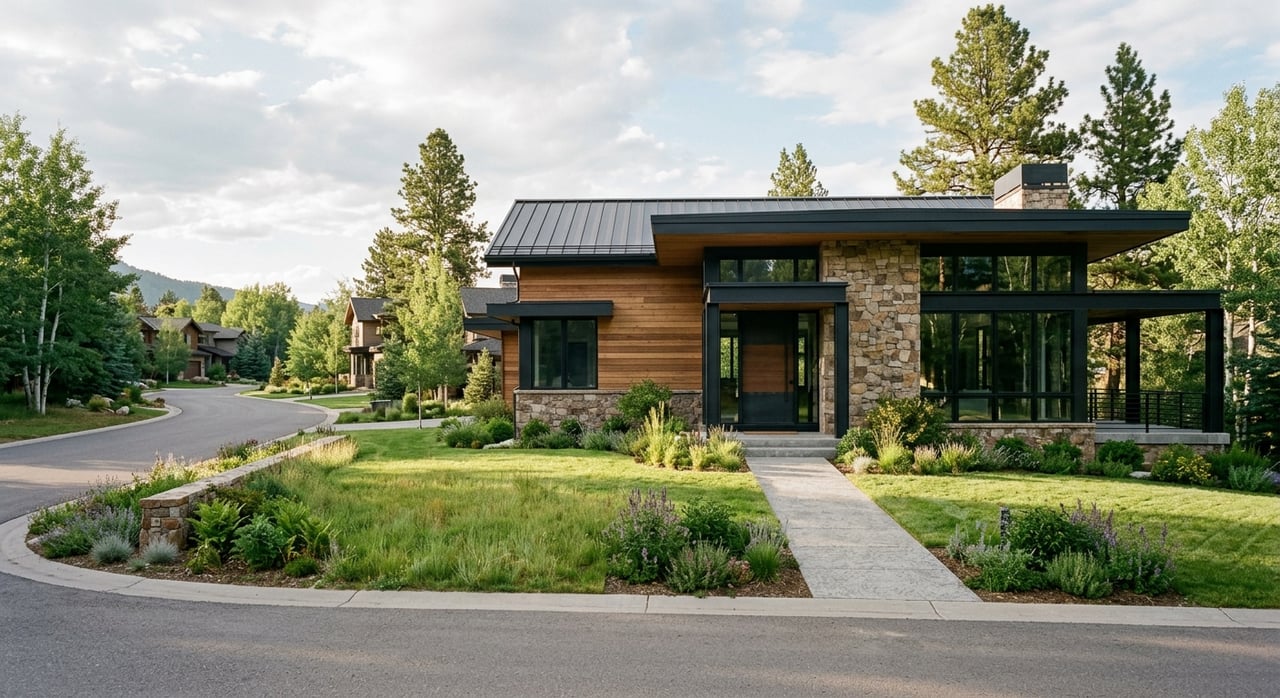
If you are thinking about buying in Basalt, one of the first things to understand is that Basalt does not feel like one single, uniform town. It is made up of several distinct pockets, each with its own housing pattern, rhythm, and daily convenience. When you know how those areas differ, you can narrow your search faster and focus on the part of town that fits how you want to live. Let’s dive in.
Why Basalt Feels So Distinct
Basalt’s official neighborhood materials point to a town shaped by multiple centers rather than one core. Historic Downtown and Southside sit in East Basalt, while Willits anchors West Basalt. Emma, Sopris Village, El Jebel, and other nearby areas are also part of the broader Basalt picture.
That layout matters when you are buying. Instead of comparing homes street by street only, you are often comparing different neighborhood identities. In practical terms, many buyers start by weighing east Basalt versus west Basalt before they narrow down to a specific property.
The town’s service map reinforces that split. East Basalt, including Old Town, Southside, and Elk Run, is served by the town water department, while west Basalt, including Willits and the Design Center, is served by Mid-Valley Metro District. It is a small detail, but it reflects a real distinction in how Basalt is organized.
Another piece that connects the whole area is mobility. The 2020 Basalt Master Plan describes nearly 90 miles of dedicated bike and pedestrian pathways within the three-mile planning area, which helps tie these pockets together. That means your lifestyle may depend less on pure distance and more on whether you want historic character, mixed-use convenience, or a more residential feel.
East Basalt: Historic Character and Variety
For many buyers, East Basalt is where the town’s original sense of place feels strongest. This side includes Historic Downtown, the Hill District, and Southside, and it tends to offer a more layered housing pattern than newer planned areas.
You will often see a mix of older homes, duplexes, multifamily properties, and accessory dwelling units in this part of town. That variety can be appealing if you want a neighborhood that feels established rather than highly uniform. It can also mean that block-by-block differences matter more here than they do in a newer development.
Historic Downtown and Hill District
Historic Downtown sits in the original township and is often described by the town as Old Downtown or the Historic District. Town design guidance emphasizes railroad heritage, small-town charm, and preserving the historic nature of Midland Avenue through compatible, human-scale development.
For a buyer, that usually translates to a stronger sense of character and a more traditional main-street setting. You are choosing an area where the built environment has evolved over time, rather than one designed all at once. That tends to appeal to buyers who want atmosphere and immediacy in their day-to-day routine.
The housing mix helps explain why this area feels different. In the Hill District, the 2020 Master Plan counted 181 single-family homes, 10 duplexes, 48 multifamily units, 5 mobile homes, and 16 ADU or EDU units. In the Midland Corridor and central business district, the inventory included 39 single-family homes, 20 duplexes, 39 multifamily units, and 57 ADU or EDU units.
Those numbers point to one key takeaway: East Basalt is varied. If you are searching here, you may find a broader range of home types and a less uniform streetscape than you would in West Basalt.
Downtown Amenities and Tradeoffs
Historic Downtown is also Basalt’s most main-street-oriented pocket. Town materials highlight Lions Park, Basalt River Park, public art on Midland Avenue, and town offices in the downtown area.
For some buyers, that kind of access is the whole point. You can prioritize being close to civic spaces, restaurants, and the town’s central gathering areas. If you value walkability and a recognizable downtown setting, this area often stands out.
There are tradeoffs, though. Downtown parking is free but time-limited, with 2-hour zones along Midland Avenue and Two Rivers Road, plus 225 total 24-hour parking spaces in the downtown area. Buyers considering this part of Basalt should think carefully about how they use parking day to day, especially if they expect frequent guests or rely on multiple vehicles.
West Basalt: Planned Convenience in Willits
If East Basalt is about historic texture, West Basalt often feels more planned and contemporary. Willits is the clearest example.
Town planning history describes Willits as a new-urbanist mixed-use node. The Willits Town Center began as a 26-acre core anchored by grocery stores and locally serving retail, and the broader Sopris Meadows and Willits Town Center PUD is described as a 125-acre mixed-use development.
For buyers, that planned structure creates a different experience from downtown. Instead of an older main street with a mix of legacy building types, Willits offers a compact urban form with a defined mixed-use center and flexible space. If you like the idea of newer product and organized convenience, this area often rises to the top.
Housing in Willits
Willits also differs in housing form. Town materials describe a mix of townhomes, single-family residential neighborhoods, and a commercial center. The 2018 housing inventory in the 2020 Master Plan showed 135 multifamily units and 77 ADU or EDU units in Willits.
That pattern supports what many buyers notice right away. Willits tends to feel denser, more intentionally planned, and more mixed-use in character than the historic core. If your goal is a home base with a newer layout and easier access to daily errands, this area may align well.
The neighborhood is also still evolving. Parcel 5 in Sopris Meadows was approved for 155 dwelling units, including 109 market-rate condominium units and 46 deed-restricted affordable units. The town is also exploring the Willits Housing and Community Space project on Lewis Lane, with conceptual housing ranging from studios to three-bedroom units.
Transit and Errands in West Basalt
Willits has one of the strongest transit-and-errands profiles in town. RFTA lists the Basalt Park and Ride at 228 spaces, and its local route serves Basalt, El Jebel, Snowmass Village, Aspen, and other valley destinations.
Basalt Connect adds another layer of convenience by offering free on-demand rides between downtown Basalt, Willits, and nearby neighborhoods. For buyers who want options beyond a fully car-dependent routine, that is an important advantage.
This does not mean every buyer should choose Willits. It means Willits is often the better match if you value newer mixed-use convenience and transit access more than historic character.
Southside and Emma: More Residential Feel
Some buyers want to be in Basalt without choosing either the strongest downtown setting or the most mixed-use west-side setting. That is where Southside and Emma often enter the conversation.
These areas can appeal to buyers who want a more residential tone while still staying connected to the rest of town. They may not function as major mixed-use centers, but they offer a different kind of fit.
Southside in East Basalt
Southside is the clearest East Basalt residential pocket outside the historic core. The 2020 Master Plan inventory showed 26 single-family homes, 28 duplexes, 16 multifamily units, and 19 ADU or EDU units.
The town also identifies transportation constraints here. The Master Plan notes traffic constrictions and bottlenecks in Southside and says significant new development would require substantial street-network investment.
For buyers, that means Southside is worth evaluating with both home style and circulation in mind. The area includes Southside Park, and it can be a good fit if you want East Basalt access with a more residential feel than the downtown blocks.
Emma as a Transitional Pocket
Emma is often best understood as a transition zone rather than a standalone mixed-use center. The town includes Emma among the broader Basalt neighborhoods, and current work in the Emma and Two Rivers corridor includes bridge, sidewalk, lighting, and crosswalk upgrades.
That matters because connectivity shapes livability. Buyers who want a more residential setting but still care about pedestrian access and trail-linked movement across town may find Emma especially appealing.
In other words, Emma may be less about a central commercial hub and more about position and connection. If your priorities include a quieter residential feel with improving access routes, it deserves a close look.
A Simple Way to Compare Basalt Neighborhoods
When buyers feel stuck, a simple framework can help. In Basalt, the right area often comes down to what you want your daily routine to look like.
| Area | Best fit for | What stands out |
|---|---|---|
| Historic Downtown and Hill District | Buyers who want historic character and walkability | Older, varied housing stock and immediate access to civic and dining areas |
| Willits | Buyers who want newer mixed-use convenience | Planned development pattern, errands nearby, and strong transit access |
| Southside or Emma | Buyers who want a more residential feel | Neighborhood-oriented setting with strong trail and connection benefits |
This is why Basalt buying is so nuanced. Two homes may be only a short drive apart, but the surrounding neighborhood experience can feel very different.
What Buyers Should Prioritize First
Before you start touring homes, try to rank these priorities in order:
- Historic character versus newer planning
- Walkable downtown access versus mixed-use convenience
- Transit options versus a more car-based routine
- Varied housing stock versus a more consistent neighborhood layout
- Residential feel versus central activity
When you know your top two or three priorities, Basalt becomes easier to navigate. You can quickly filter out areas that do not align and spend more time on the neighborhoods that actually support your lifestyle and long-term goals.
A thoughtful neighborhood choice matters just as much as the property itself, especially in a market where lifestyle and asset value often go hand in hand. If you want a clear, data-informed read on how a specific Basalt pocket fits your goals, Mary Kate Farrell can help you compare options with local insight and a high-touch approach.
FAQs
What is the difference between East Basalt and West Basalt for buyers?
- East Basalt includes areas like Historic Downtown, Southside, and Elk Run and tends to offer more historic character and varied housing types, while West Basalt includes Willits and tends to feel more planned, mixed-use, and transit-oriented.
What is Historic Downtown Basalt like for homebuyers?
- Historic Downtown Basalt offers a main-street setting with civic spaces, parks, public art, and older, less uniform housing stock, which can appeal to buyers who want character and walkable access.
What is Willits like for buyers in Basalt?
- Willits is a planned mixed-use area in West Basalt with townhomes, single-family neighborhoods, multifamily housing, retail uses, and strong access to transit and daily errands.
Is Southside Basalt mainly residential for buyers?
- Southside is one of the clearest residential pockets in East Basalt outside the historic core, with a mix of single-family, duplex, multifamily, and ADU or EDU housing types.
Why do Basalt neighborhoods feel so connected despite being distinct?
- Basalt’s planning area includes nearly 90 miles of dedicated bike and pedestrian pathways, and services like Basalt Connect and regional transit help link the town’s distinct neighborhood pockets.
How should a buyer choose the right Basalt neighborhood?
- Start by deciding whether you care most about historic character, newer mixed-use convenience, transit access, or a more residential setting, then compare neighborhoods based on the daily routine you want.