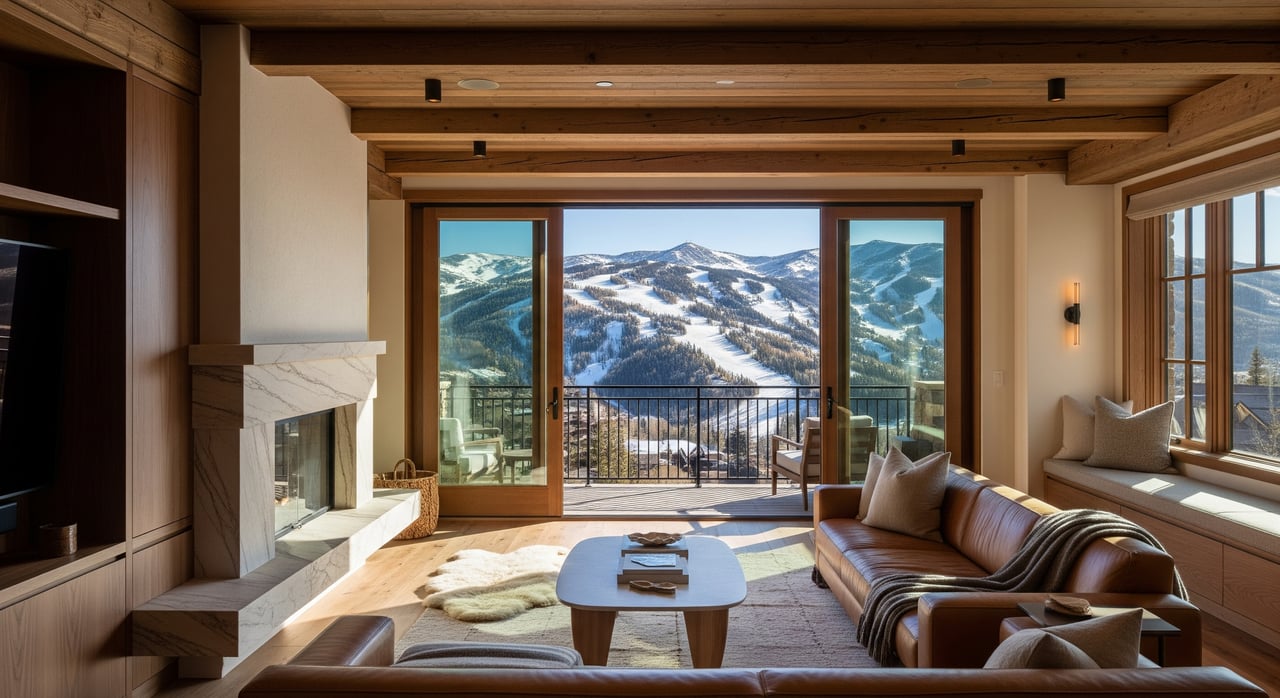
What will make a Snowmass Village condo feel like the right fit for you? For most buyers, it comes down to ski access, rental potential, HOA rules, and how the building is managed. If you are new to mountain condos, the options can feel confusing at first.
In this guide, you will learn how to compare Snowmass Village condo types, what ski access labels really mean, how HOA fees and rules work, and what to know about financing, inspections, and seasonality. You will also get a practical checklist to help you make a confident offer. Let’s dive in.
Snowmass at a glance
Snowmass Village is a year‑round resort community in Pitkin County adjacent to Aspen. Inventory leans toward condos, condo‑hotels, and townhouse‑style condos rather than detached single‑family homes. Prices are generally lower than Aspen town proper, but this is still a high‑cost mountain market where many buyers pay cash or use jumbo financing.
Condo types you will see
Understanding the main property types helps you align lifestyle and budget with the right building.
Traditional condominium
- Individually owned units within an HOA governed by Colorado’s Common Interest Ownership Act (CCIOA).
- HOA rules set rental policies, pet rules, parking, and use of amenities.
- Good if you want more control over how and when you rent.
Condo‑hotel or hospitality‑branded
- Part of a hotel or resort operation with front‑desk services and on‑site management.
- Often allow short‑term rentals through the operator with specific fee structures and revenue splits.
- Strong for convenience and rental exposure, but review management agreements and fee impacts.
Fractional or shared ownership
- Ownership of a fraction of time rather than full title to the unit.
- Lower entry cost, but limited flexibility and resale market is smaller.
Townhome or stacked townhome condo
- Multi‑level layouts, often with private entries or garage‑like features.
- Appeals to buyers who want a residential feel while still benefiting from HOA services.
Deed‑restricted or employee housing
- Units reserved for qualifying local residents under income or occupation rules.
- Important for workforce housing and typically not an option for vacation or investment buyers.
Ski access tiers and what they mean
Ski access heavily influences price, rental demand, and your daily routine.
Base‑area and village‑center
- Walk to lifts, gondola, restaurants, and services.
- Highest convenience and typically highest rental demand.
Ski‑in and ski‑out
- Direct trail access from the building to the runs.
- Highly desirable for downhill skiers who want immediate mountain access.
Ski‑to‑door or short ski walk
- A few steps or a short glide to a trail or lift, but not true door‑to‑slope.
- Strong convenience without the full premium of true ski‑in/ski‑out.
Near‑base or shuttle‑served
- Short drive or shuttle to lifts.
- Better price per square foot and often quieter.
Neighborhood settings within Snowmass
- Lower density with more privacy and green space.
- Works well for year‑round living or longer seasonal stays.
Match your goals to the right spot
- Maximize rental income and ski convenience: target base‑area condos or condo‑hotels with proven rental programs.
- Live more like a local with parking and storage: look at townhouse‑style condos in neighborhood settings with year‑round services.
- Stretch your dollars and enjoy quiet: consider near‑base or shuttle‑served properties.
HOA rules and documents to review
In Colorado, CCIOA sets baseline rules for condo governance and what associations must disclose. Before you write an offer, request the full HOA packet and review:
- Declaration and CC&Rs
- Bylaws and rules and regulations
- Current budget and the most recent reserve study
- Board meeting minutes for the past 12 to 24 months
- Insurance master policy summary
- Details on any current special assessments or pending litigation
- Rental policy and occupancy restrictions
Look for clarity on rentals, pet policies, parking, storage, ski lockers, and any waiting lists for assigned spaces.
HOA fees and what they cover
HOA fees vary widely in Snowmass and depend on amenities and building services.
- Common inclusions: exterior maintenance, common area utilities, trash, snow removal, elevator service, landscaping, insurance for common elements, management fees, and operating costs for amenities like pools, hot tubs, and fitness centers.
- Common exclusions: interior unit maintenance, personal contents insurance (HO‑6), most in‑unit utilities unless specified, and parking fees when spaces are leased or assigned separately.
- For condo‑hotels, clarify whether HOA fees are separate from the rental management program fees and how any short‑term rental revenue is split.
Insurance basics for mountain condos
- Master policy vs. HO‑6: The master policy typically covers common elements and the building envelope to a defined extent. You usually carry an HO‑6 policy for interior finishes, personal liability, and assessment coverage.
- Mountain risks to evaluate: freeze and thaw water intrusion, roof condition, snow and ice loading, balcony and railing integrity, and site‑specific considerations related to mountain terrain.
Ask the HOA about the master policy deductible and confirm with your insurance provider what your HO‑6 should cover.
Financing resort condos
Financing can look different in a resort market.
- Project approval: Many lenders require the condominium project to be reviewed or approved. Some condo‑hotels or mixed‑use buildings are not eligible for standard agency loans, which can necessitate portfolio or jumbo financing.
- Down payment expectations: Larger down payments are common in high‑cost markets. Conventional deals often start around 20 percent and jumbo loans often require 25 percent or more.
- Rental income: Lenders may require historic rental statements and may limit the use of projected short‑term rental income for qualification.
- HOA health: High delinquency rates, low reserves, or pending special assessments can be red flags for lenders.
Consult a lender who regularly underwrites Pitkin County condos so you can line up the right loan type early.
Short‑term rental compliance
Snowmass Village has local regulations and licensing requirements that apply to short‑term rentals. You may need a business license, you may be responsible for transient occupancy taxes, and some locations or buildings may have restrictions. HOA rules can be more restrictive than town rules, and condo‑hotel programs have their own operator agreements. Request sample management agreements and recent performance statements when you evaluate rental potential.
Amenities that add value
Amenities influence both owner experience and rental demand, and they impact HOA fees.
- Common amenities: heated pools, hot tubs, fitness centers, saunas, covered or private parking, ski lockers and storage, concierge or front desk, on‑site dining, shuttle services, and on‑site rental desks.
- Value trade‑off: More amenities usually mean higher monthly fees. Branded or hotel‑style services command premium fees but can support higher nightly rental rates.
Inspections that matter in the mountains
Use an inspector experienced with mountain and resort condos. Ask them to focus on:
- Building envelope and roof performance for snow and meltwater management
- Heating systems and boilers, including age and service history
- Plumbing, insulation, and freeze protection
- Balconies and railings for snow load and drainage
- Elevators and common mechanicals
- Fireplaces, chimneys, and gas logs with safety certifications
- Evidence of water intrusion, mold, or deferred maintenance
Review HOA maintenance logs and planned capital projects so you understand what is scheduled and who pays.
Seasonality and timing your purchase
Snowmass runs on a seasonal rhythm that affects inventory, pricing, and access.
- Winter peak from December through March: highest demand and occupancy with top rental rates. Inventory can be tight and prices firm.
- Shoulder seasons in late spring and fall: fewer visitors and often more flexible negotiations. A practical window for inspections and in‑depth viewings.
- Summer from June through September: strong for biking, hiking, festivals, and concerts, with a secondary rental season for many buildings.
- Listing flow: expect more new listings after ski season and fewer in peak winter. Monitor the MLS and be ready to move when the right unit appears.
Also ask current owners or the HOA for average monthly operating costs by season so you can budget for heating and snow‑related expenses.
Closing costs, title, and recording
Work with a local title company familiar with Pitkin County practices. Clarify potential transfer or documentary fees, recording requirements, and how parking or storage rights are documented. Do not assume there is a local transfer tax. Confirm details for your specific transaction.
Buyer checklist for Snowmass condos
Use this list to organize your due diligence before you remove contingencies.
- HOA documents: CC&Rs, bylaws, rules, current budget, most recent reserve study, insurance certificate, board minutes for 12 to 24 months, schedule of any special assessments, and rental policy.
- Project materials: plats and maps that define unit boundaries, limited and common elements, parking, and storage.
- Rental records: past gross rents, management fees, occupancy percentages, average nightly rates, owner use restrictions, and the rental calendar.
- Capital projects: summary of recent and planned improvements like roofing, exterior work, elevator replacement, with cost allocation and timeline.
- Title and survey: preliminary title report, easements or rights of way, deeded parking or storage details, and any enforcement history for community rules.
- Inspections: general inspection plus specialized HVAC or boiler, roof, elevator, and moisture assessments as applicable.
- Key questions: pending special assessments, master insurance deductible, litigation or construction defect claims, owner occupancy versus rental mix, short‑term rental permits, and management or rental agreements.
How to move forward with confidence
Buying in Snowmass Village is about aligning lifestyle with the right building and paperwork. Start with your top priority, whether that is true ski‑in access, rental yield, or a quiet neighborhood feel. From there, vet the HOA, insurance, and financing path so you know your carrying costs and any upcoming capital projects.
If you want a focused, high‑touch process with disciplined guidance, connect with a local advisor who combines hands‑on showings with clear, investment‑minded counsel. Reach out to Mary Kate Farrell to discuss your goals and see curated options that fit how you plan to live, ski, and invest in Snowmass.
FAQs
What are the main condo types in Snowmass Village?
- You will encounter traditional condos, condo‑hotels, fractional ownership, townhouse‑style condos, and deed‑restricted housing, each with different rules and use cases.
How do HOA fees work for Snowmass condos?
- Fees typically cover common area maintenance, snow removal, building insurance for common elements, and amenities, while interior maintenance and HO‑6 insurance are usually on you.
What does ski‑in or ski‑out really mean in Snowmass?
- Ski‑in/ski‑out indicates direct trail access from the building to the runs, while ski‑to‑door or short ski walk means a brief glide or few steps to a trail or lift.
Can I run a short‑term rental in my Snowmass condo?
- It depends on both town rules and your HOA; many buildings allow rentals with licensing and tax compliance, and condo‑hotels operate under specific management agreements.
How do lenders view condo‑hotels in Pitkin County?
- Some condo‑hotels do not meet standard agency guidelines, so portfolio or jumbo financing and larger down payments are common.
When is the best time to buy a Snowmass condo?
- Inventory often increases after ski season, and shoulder seasons can offer more negotiation room and easier access for inspections.