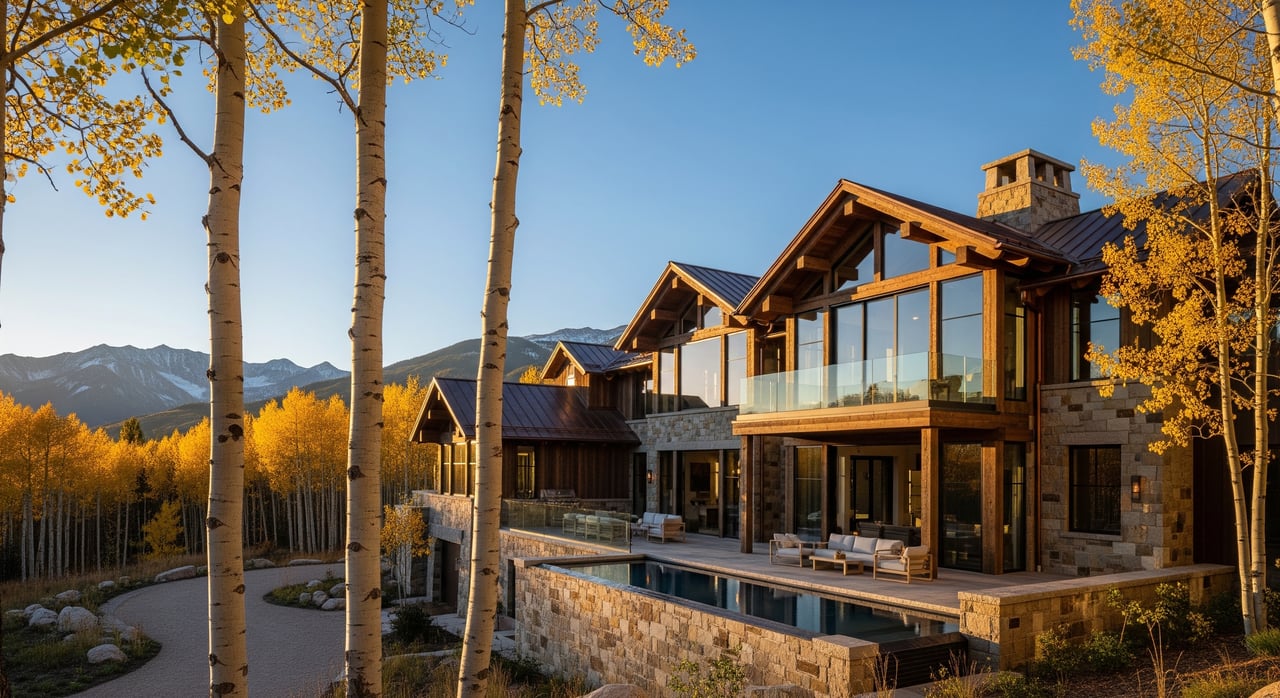
Pricing a one-of-a-kind Aspen home can feel more art than science. You know your property’s magic, but turning that into a number buyers will pay is the hard part. In this guide, you will learn how to price with confidence using proven valuation methods, Aspen-specific value drivers, and a clear seller checklist. Let’s dive in.
Aspen luxury pricing fundamentals
A small, specialized market
Aspen’s luxury market is boutique and highly nuanced. Many transactions happen off market or as pocket listings, which means public comps do not tell the whole story. Each property is unique, so adjustments for views, privacy, and design quality matter more than in typical markets.
Seasonality and buyer pool
Your buyer pool includes high-net-worth domestic and international buyers, plus investors. Demand ebbs and flows with ski season, summer lifestyles, and broader wealth trends. Well-positioned listings can attract decisive interest even when overall inventory is tight.
Time on market dynamics
Luxury listings often have longer marketing windows than lower-priced homes. Still, when pricing and presentation align with current demand, a qualified buyer can move quickly. A data-driven list price protects your credibility from day one.
Read the right market signals
Closed sales and recency
Start with the most recent 12 to 24 months of closed sales to see actual price realizations. Cross-check the latest quarterly reports from sources like Douglas Elliman Research and review local insights from Sotheby’s International Realty market reports. If you must extend the timeframe, adjust for market movement.
Active and pending competition
Review active and pending luxury listings to understand today’s supply and price positioning. Focus on true competitors with similar micro-neighborhoods, views, ski access, and design caliber. Your list price should fit the current band where qualified buyers are actually writing offers.
Off-market intelligence
Off-market sales can set expectations that are not visible in the MLS. Experienced Aspen brokers and local appraisers can provide private-sale context, typical terms, and deal flow. Treat this as essential color when comps seem thin.
Local context and timing
Layer in seasonal timing and local activity. For example, align with ski and summer peaks and monitor resort operations through Aspen Snowmass. Keep an eye on credible local coverage from the Aspen Times to track notable transactions and policy updates that can influence sentiment.
Core valuation methods
Sales comparison approach
For single-family luxury homes, the sales comparison method is the anchor. Select the closest-possible comps and adjust for view quality, ski convenience, lot size and privacy, architect pedigree, and condition. When the best comps are older, quantify market shifts and document your adjustments.
Cost approach for unique or newer builds
For new construction or highly bespoke estates, the cost approach helps set a floor. Estimate land value plus replacement costs for improvements, and subtract physical depreciation and functional obsolescence. Use local build costs and professional estimates for accuracy.
Income approach when rental history matters
If your property generates meaningful rental income or functions like a small lodging operation, the income approach can support valuation. Investors will want a clear picture of gross income, expenses, and realistic occupancy in Aspen’s seasonal cycles.
Aspen-specific value drivers
Ski access and resort adjacency
Direct ski-in/ski-out, deeded access, or a short, easy route to lifts often commands a premium. Proximity to the Silver Queen Gondola and other lift infrastructure is a tangible lifestyle advantage buyers prize. Reference trail and lift context from Aspen Snowmass when positioning ski convenience.
View quality and view protection
Panoramic, unobstructed views of Aspen Mountain, Smuggler Mountain, or Castle Creek Valley are prized. Buyers also weigh whether those views are protected by open space or zoning heights. Use resources like Pitkin County Open Space & Trails and the City of Aspen’s planning and land use resources at the City of Aspen to assess long-term view security.
Land, privacy, and entitlements
Acreage, setbacks, distance from neighbors, and gated access all influence value. Development rights, easements, or conservation restrictions can meaningfully change price. Verify records through the Pitkin County Assessor and the City’s Planning & Zoning and Land Use Code at the City of Aspen.
Architecture, pedigree, and systems
Recognized architects, bespoke craftsmanship, and resilient construction can add meaningful premiums. Buyers also look closely at mechanical systems, elevators, heated driveways, and smart home technology. Permanent features that are hard to replicate tend to retain value better than amenities that are easy to add later.
Wildfire and insurance considerations
Wildfire risk and insurance availability are now front-of-mind for many buyers and lenders. Document mitigation measures and current policy terms to reduce uncertainty. For guidance, review the Colorado Division of Insurance and flood mapping context at FEMA’s Map Service Center.
Micro-neighborhood context
Central Core and Downtown
If you are in the Core, your value often reflects walkability and proximity to restaurants and boutiques. Lifestyle buyers who want Aspen town life will compare you against other central options. Micro-variations in view corridors and noise exposure can shift pricing within a tight radius.
West End and East Aspen
These established neighborhoods include a mix of historic and modern estates. Buyers weigh privacy, streetscape character, and view angles. A thoughtful analysis will parse small differences in lot positions and elevations.
Red Mountain and Smuggler Mountain
Expect larger lots, strong views, and a greater sense of privacy. Buyers targeting these areas often prioritize outlooks and solitude. Effective pricing quantifies the view premium and the privacy advantage over in-town addresses.
Highlands, Shadow Mountain, and ski-adjacent zones
Proximity to Aspen Highlands lifts can appeal to ski-focused buyers. Compare true ski-in/ski-out against short-drive convenience when setting expectations. Buyers will pay for practicality as much as headline access.
Snowmass and Buttermilk adjacency
These areas draw buyers who value family recreation and different terrain. Market dynamics can differ from central Aspen, so comps should be matched carefully. Align your list price to the audience seeking that specific mix of lifestyle and access.
Build your pricing plan: a step-by-step checklist
- Retain the right experts. Engage an Aspen luxury broker and a certified appraiser with proven local experience.
- Gather the data. Pull 12 to 24 months of closed sales, plus active and pending inventory. Include assessor records from the Pitkin County Assessor and recent broker price opinions.
- Document your value drivers. Assemble view photos, site plans, easements, measured square footage, permitted uses, upgrades, and maintenance records. Check city resources for planning items at the City of Aspen.
- Order targeted pre-listing inspections. Address roofing, mechanicals, wildfire mitigation, and any environmental items that may concern buyers.
- Build a pricing memo. Create a CMA with best-fit comps and clear adjustments. Include high, mid, and low scenarios with written rationale.
- Choose your strategy. Decide between market-range pricing or a measured aspirational test. Set triggers to revisit price if activity lags.
- Launch and track. Execute a targeted marketing plan and monitor showings, broker feedback, and competitive listings. Iterate as real-time data comes in.
Choose a pricing strategy
Market-range pricing
This approach anchors your list price to a carefully adjusted CMA that reflects recent closed sales and current momentum. It typically reduces time on market and protects deal credibility. It is the default for most luxury listings that compete within a clear price band.
Aspirational or premium pricing
Testing a premium may fit a truly unique or trophy property. The trade-off is longer time on market and potential buyer skepticism if the anchor feels out of step. If you choose this path, set clear review points and communicate your rationale to serious buyers.
Price banding at thresholds
In some cases, listing just under a psychological threshold can widen your audience. This is less common at ultra-luxury levels but can still help if your buyer pool spans adjacent price bands.
Monitor and adjust with intention
Track qualified showings and the quality of inquiries, not just volume. Watch days on market compared with true peers and keep tabs on price movement among active competitors. Be ready to adjust if you are missing your target audience or if macro-liquidity and seasonality shift.
Negotiation notes for Aspen luxury sales
Expect stronger cash positions and bespoke terms. Inspection windows and contingencies can be more flexible, but balance that with protecting your downside risk. Consult a tax advisor early about capital gains timing and any local transfer considerations that might affect your net.
Documentation that strengthens valuation
- Verified square footage and site plans
- Permits, zoning confirmations, and any entitlements from the City of Aspen
- Easements, conservation agreements, or open-space context from Pitkin County Open Space & Trails
- Maintenance logs, system upgrades, and warranties
- Wildfire mitigation work and insurance documentation per the Colorado Division of Insurance
- Flood mapping or related disclosures from FEMA’s Map Service Center
When premium pricing can work
A premium strategy can be appropriate if your home has a hard-to-replicate combination of protected views, prime ski access, significant acreage, and architectural pedigree. Back your ask with a clear memo that explains why public comps fall short and which private sales support your case. Pair pricing with high-caliber marketing and targeted outreach to reach the most likely buyers quickly.
The bottom line
Pricing a luxury home in Aspen is about precision. When you combine current comps, off-market intelligence, and Aspen-specific adjustments with a disciplined plan, you can attract the right buyers and protect your leverage. If you would like a confidential pricing memo tailored to your property, connect with Mary Kate Farrell.
FAQs
How far back should I look for Aspen comps?
- Use the most recent 12 to 24 months of closed sales and adjust for market movement if you extend beyond that window.
Does ski access really add value in Aspen?
- Yes, true ski-in/ski-out or deeded access can command a premium, though the size of the premium depends on proximity and practical convenience.
How much is an Aspen view worth?
- There is no universal percentage; value depends on view quality and whether it is protected by open space or zoning, which requires broker or appraiser adjustments.
Should I price high to test the Aspen market?
- You can test a premium for unique properties, but it often lengthens time on market and can weaken negotiating power compared with a data-driven price.
How do off-market Aspen sales affect my price?
- Off-market deals influence expectations even if they are not in the MLS, so incorporate intelligence from experienced local brokers and appraisers.
What documents help an appraiser value my Aspen home?
- Provide measured square footage, site plans, permits and entitlements, maintenance records, and risk documentation such as wildfire mitigation and insurance terms.